Venues
Choosing the Ideal Wedding Venue in Noida
A photographer’s eye reveals what truly matters when selecting a wedding venue in Noida. Learn practical scouting tips, lighting tricks, and contract must‑haves for your big day.
Published 18 November 2026
Why Location Matters for Your Wedding Day
The moment a couple says "yes," the venue becomes the stage where every memory unfolds, and in Noida the traffic patterns can make or break that flow. We’ve seen a lakeside banquet hall in Sector 18 become chaotic when the nearest metro exit is hidden behind a construction site, causing guests to arrive late and miss the sunrise ceremony. A well‑placed venue near major arterials like the Noida‑Greater Noida Expressway ensures smooth arrivals and keeps the wedding timeline intact. Choosing wisely also lets you capture candid moments without chasing after late‑comers or battling unexpected crowds.
The climate in the NCR varies sharply; a venue with solid indoor space protects you from the July monsoon while still offering airy courtyards for golden‑hour shots. Our experience shows that couples who pick a venue with flexible indoor‑outdoor flow can pivot plans at the drop of a hat, preserving both comfort and photo quality. Moreover, the surrounding landscape influences the color palette of your photos – think pastel walls against a bustling city backdrop versus a muted garden setting. A thoughtful location therefore shapes both the logistical smoothness and the visual story you’ll tell for years.
What Makes a Wedding Venue in Noida Stand Out?
At SRG PRODUCTION - Wedding Photographer in Noida we always arrive early to test natural light and plan where the most flattering angles will be. A standout venue offers high ceilings or large windows that let the soft morning glow filter in, turning simple vows into cinematic moments. We’ve captured a sunrise ceremony at the Noida Golf Course where the sun painted the sky pink, and the venue’s open pavilion gave us room to move without crowding the couple. Those architectural features become the silent partners in your story, providing depth and drama without any post‑production tricks.
Beyond architecture, the venue’s staff attitude can change the entire shoot. When the banquet manager coordinates the flower delivery at exactly 4 p.m., we can lock in those vibrant colors before the light fades. A venue that respects the photographer’s need for space—like allowing a tripod on the dance floor for low‑light candids—makes the difference between a rushed set of images and a relaxed, natural collection. Couples who prioritize such details often receive a photo album that feels effortless rather than forced.
Practical Tips for Scouting and Booking
Start your venue hunt at least eight months before the 2026‑2027 wedding season; the best halls fill up fast, especially those near the Noida Sector 62 corporate hub. Schedule a daytime visit and a twilight walkthrough to compare how the light shifts; a hall that looks bright at noon may turn into a shadowy box after sundown. Bring a handheld light meter or use your phone’s exposure lock to note the brightest spots, then share those numbers with your photographer so we can prep equipment accordingly. Don’t forget to ask about backup generators—our cameras have saved a dozen ceremonies when the main power faltered during a May rainstorm.
When you negotiate the contract, request a clause that guarantees the venue’s cleaning crew will not enter the ceremony area during the photo session. A stray broom can ruin a perfectly framed shot. Also, verify the venue’s policy on outside vendors; some insist on using their in‑house décor team, which can limit your creative control. Finally, ask for a detailed floor plan with exact measurements; we use these to plot where to place reflectors, softboxes, and where to position the wedding party for optimal composition. Having these details in writing prevents last‑minute surprises that could compromise the visual narrative.
Capturing the Venue’s Best Angles
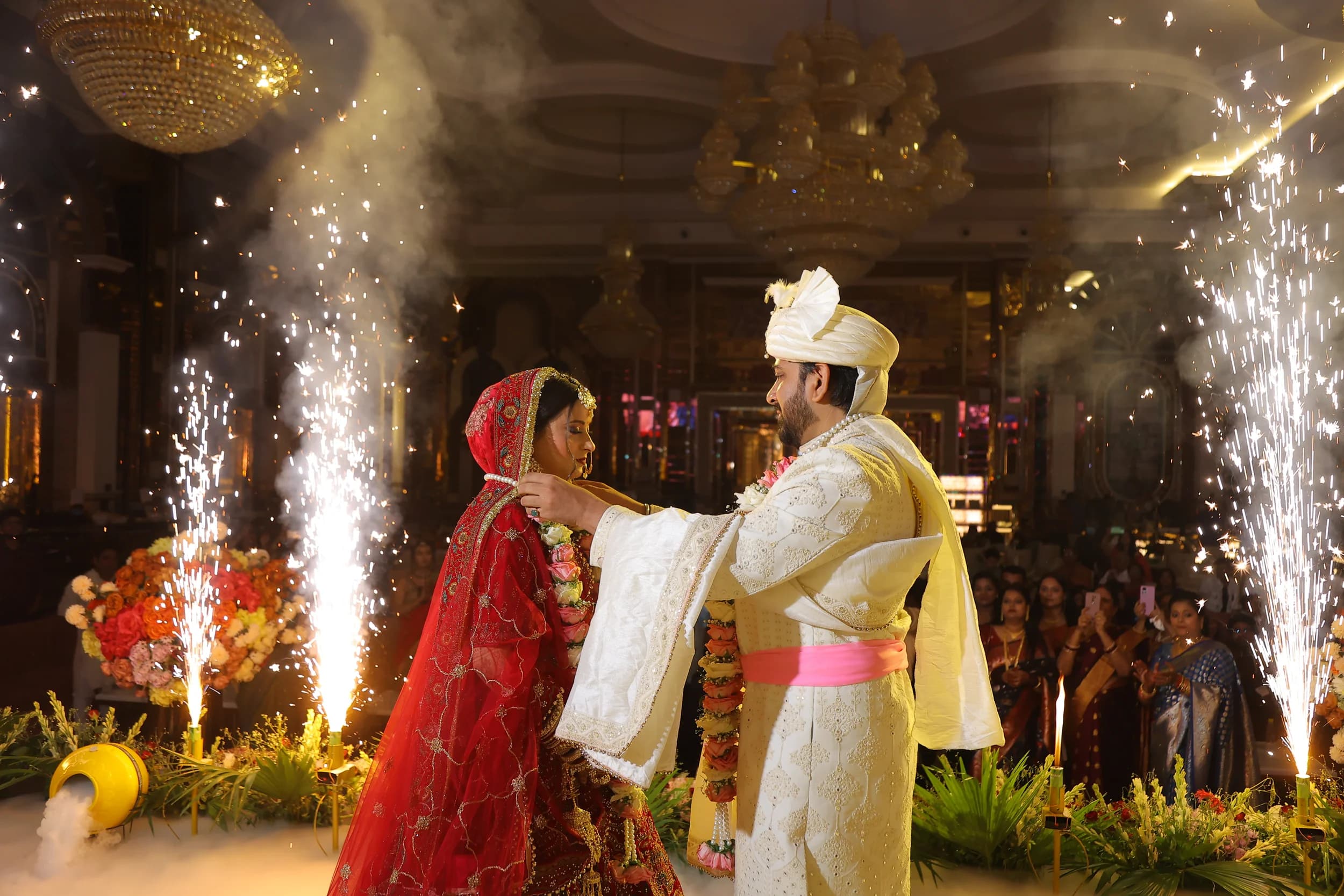
The key to showcasing a venue lies in timing; we love shooting the main hall just before the first guest steps in, when the space is empty and the light is pure. That window allows us to capture the grandeur of chandeliers, marble floors, and decorative arches without any interruptions. Once the ceremony begins, we shift to a mix of wide shots that embed the architecture and intimate close‑ups that focus on the couple’s expressions against those backdrops. This blend tells a full story—showcasing both the venue’s scale and the personal moments it hosts.
We also use a second camera on a gimbal for smooth movement through long corridors or outdoor gardens. When the couple walks hand‑in‑hand along the Noida lake promenade, the glide adds a cinematic flow that static shots can’t match. Lighting modifiers like a large octabox placed opposite a tall window can soften harsh daylight, turning a bright banquet hall into a warm, inviting space. By adjusting white balance on the fly, we preserve the true colors of the venue’s décor, ensuring the final album reflects the real ambiance you experienced.
Final Checklist Before Signing the Contract
Review the venue’s insurance policy to confirm it covers equipment loss; we once had a drone hover over a rooftop terrace when a sudden gust knocked it into a decorative fountain. Verify that the venue provides ample power outlets—at least two dedicated 20‑amp circuits are ideal for lighting rigs and backup batteries. Double‑check the permitted noise levels and curfew times; an early curfew can truncate the evening reception and limit the time we have for creative low‑light shots. Lastly, walk through the venue with your photographer one final time to confirm the agreed‑upon lighting plan and shot list, ensuring everyone leaves with the same vision for your wedding day.
Frequently Asked
Continue Exploring