Tips
Choosing the Right Wedding Photographer in Noida
We share on‑the‑ground insights from over 1,000 weddings across Delhi NCR, helping couples pick a photographer who truly understands the region’s rhythm.
Published 16 November 2026
Why Local Insight Matters
When you hire a Wedding Photographer in Noida, you get more than a camera – you get a guide who knows the traffic snarls around Sector 18, the shifting light at the Noida Golf Course during monsoon, and the way the sun kisses the marble at The Grand during golden hour. I’ve learned that a 15‑minute delay in the bride’s arrival can mean missing the perfect backlight for the first look, so we always scout the venue at the exact time the ceremony is scheduled. Those small adjustments keep the story flowing without a hitch. The result is images that feel natural, not forced.
Our experience shows that Noida’s venues each have a personality. The indoor banquet at The Leela offers soft, diffused lighting that works beautifully for candid moments, while the open lawn at Jaypee Sports City demands fast lenses and a steady hand to freeze the energetic baraat. By arriving early to test the ambience, we can anticipate shadows and plan where to place reflectors. Couples notice the difference when the photos capture the venue’s true character rather than a generic backdrop.
Capturing the Rituals: From Baraat to Reception
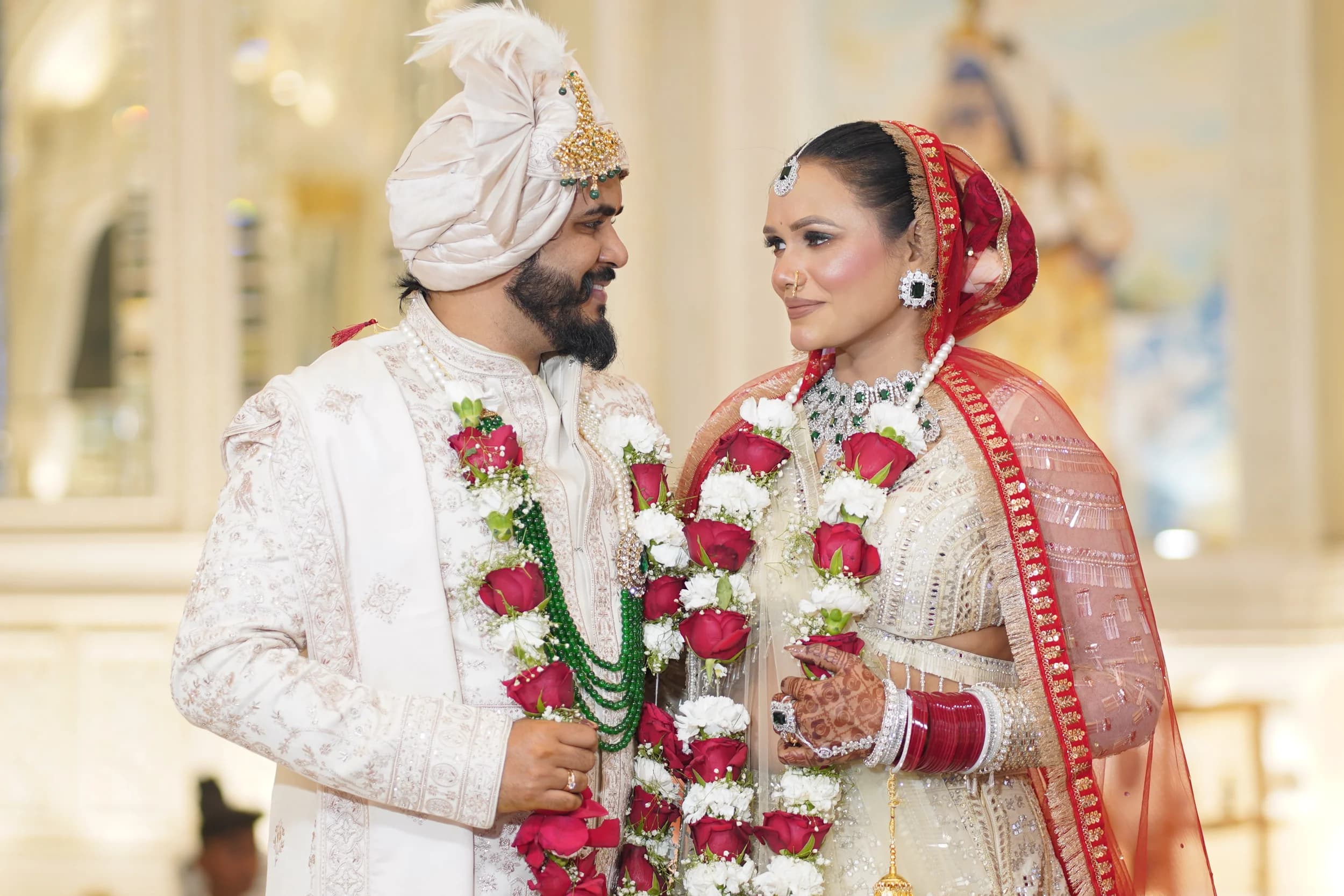
The baraat in Noida is a moving river of color, music, and laughter, and freezing that energy requires both speed and a sense of rhythm. We position ourselves on the edge of the procession, using a telephoto lens to capture the groom’s smile as he rides in, while a second shooter follows the dancing relatives. The crowd’s reaction – a child’s gleeful shout, a aunt’s twirl in a bright saree – adds layers to the story that a single angle would miss. By the time we reach the mandap, we’ve already built a visual narrative that feels like a movie.
Inside the banquet hall, the lighting changes dramatically from the soft glow of diyas during the puja to the bright strobes for the first dance. We switch to a fast prime lens and raise the ISO just enough to keep grain low, preserving the sparkle on the bride’s anklet. The aroma of fresh roses and the clink of glasses become invisible cues that tell us when to snap – a close‑up of the groom’s trembling hand holding the ring, a wide shot of the family raising a toast. These details turn ordinary moments into cherished memories.
Managing the Fast‑Paced NCR Schedule
Couples often book multiple venues across Delhi, Gurgaon, and Ghaziabad in a single day, squeezing a ceremony, lunch, and reception into eight hours. To keep pace, we map out the quickest routes, accounting for peak hour traffic on the Delhi‑Noida Expressway. Our gear bags are organized by scene: one bag for daylight, another for low‑light, each labeled with color‑coded straps for rapid swaps. When an unexpected delay hits – say a power cut at a Gurgaon hotel – we deploy our portable LED panels, keeping the lighting consistent without a pause.
Having a reliable second shooter is a safety net that lets us capture parallel actions, like the bride’s makeup team in one room while the groom’s friends perform a flash mob in another. This redundancy also protects against equipment failure; if a camera sensor hiccups, the backup body steps in instantly. Clients appreciate the professionalism of a crew that can juggle five moving parts without compromising image quality. The result is a complete album that reflects every heartbeat of the day, not just the scheduled highlights.
Tips for Couples When Booking
Start the conversation early – at least six months before the wedding – and ask for a full portfolio that includes both indoor and outdoor shots from recent 2026‑2027 weddings. Look for consistency in color tone and composition; a photographer who can capture the vibrancy of a Noida lawn ceremony and the intimacy of a Delhi palace hall shows true versatility. Meet the team in person, because chemistry on the day translates into relaxed subjects and better photos. Finally, clarify the post‑production timeline: knowing when you’ll receive the edited gallery helps you plan album design and social media sharing without surprise delays.