Venues
Finding the Perfect Wedding Venue in Noida
Choosing a venue in Noida is more than aesthetics; it's about flow, light, and unforgettable moments captured on camera.
Published 16 September 2026
Why Location Matters More Than You Think
Choosing a Wedding Venue in Noida can feel like stepping into a bustling market where every stall offers something different. The city’s mix of modern glass halls and historic forts gives couples a palette of backdrops that can set the tone for the entire celebration. We’ve seen a sunrise ceremony at the Noida Golf Course turn into a golden‑hour masterpiece when the sun hit the water just right. A misplaced corner can cause bottlenecks during the baraat, turning a smooth entry into a stressful scramble. That’s why I always ask couples to walk the site at the exact time they plan to host the ceremony.
The surrounding neighbourhood also plays a silent role; a venue near Sector 18 means easy access to hotels and transport, while a spot near the Yamuna offers a river breeze that can cool a summer night. In 2026 the NCR traffic peaks at 7 p.m., so an outdoor venue with ample parking saves guests from late‑night delays. Couples who prioritize guest comfort often choose locations with nearby cafes for quick refreshment breaks. I’ve watched families relax over chai on a patio, and those relaxed moments translate into candid smiles in the album. Ultimately, the venue’s location shapes the day’s rhythm as much as the décor does.
Assessing the Space: What to Look for in a Wedding Venue in Noida
First, measure the floor area against your guest list; a banquet hall listed for 300 seats may feel cramped if the tables are arranged in a traditional long‑row layout. We recommend a 1.2 sq ft per guest rule for comfort, especially when you add dance floors and stage setups. At SRG PRODUCTION - Wedding Photographer in Noida we always arrive two hours early to map the lighting angles and identify shadow‑prone zones. The ceiling height matters too—higher ceilings reduce harsh overhead lights and give you space for dramatic chandeliers without dimming the room. Don’t forget to test the acoustics; a venue that echoes can drown out vows, but a well‑damped hall lets every word ring clear.
Second, inspect the power outlets and backup generators; a 20‑kW generator can keep the sound system alive during a monsoon surprise, which we’ve seen happen during a March wedding in Greater Noida. Look for multiple socket clusters near the stage and catering area; we once had to scramble for an extension cord when the bride’s mother wanted a live‑feed screen for relatives abroad. Natural light is a hidden gem—large windows facing east give a soft glow for morning rituals, while west‑facing spaces capture dramatic sunset tones. Ask the venue manager for a lighting plot; a well‑planned rig can reduce the need for additional rentals. Finally, check the restroom count; the rule of thumb is one restroom per 50 guests for women and one per 100 for men, otherwise queues form fast.
Real‑World Logistics: Parking, Power, and Guest Flow
Parking can make or break the guest experience, especially when you have relatives arriving from Delhi and Gurgaon in separate convoys. A venue with a dedicated valet lane cuts down waiting time, and we’ve seen couples receive thank‑you notes because their grandparents didn’t have to walk five blocks to the entrance. In Noida’s newer complexes, underground parking often includes electric‑car charging points, a nice perk for eco‑conscious families. Traffic flow during the baraat is another puzzle; we once coordinated with a venue’s security to open a side gate, allowing the groom’s procession to bypass the main lobby and avoid a jam at the main entrance. Mapping this flow on a simple sketch before the day helps the coordinators keep the schedule tight.
Power reliability is non‑negotiable when you’re planning a multimedia show with slides of the couple’s journey. A venue that lists a 5‑hour generator runtime gives you a safety net for unexpected outages, a scenario we lived through during a July wedding in Ghaziabad when the city grid flickered. Backup batteries for the camera rigs are a small investment that saves the day; we keep a portable 12 Ah power bank in our gear bag for every shoot. Guest flow also includes signage; clear arrows pointing to restrooms, the cake table, and the photo booth keep crowds moving smoothly. When the venue provides a dedicated usher team, we often collaborate with them to cue the lighting changes for the first dance, turning a logistical task into a seamless moment.
Capturing the Venue’s Personality Through Photography
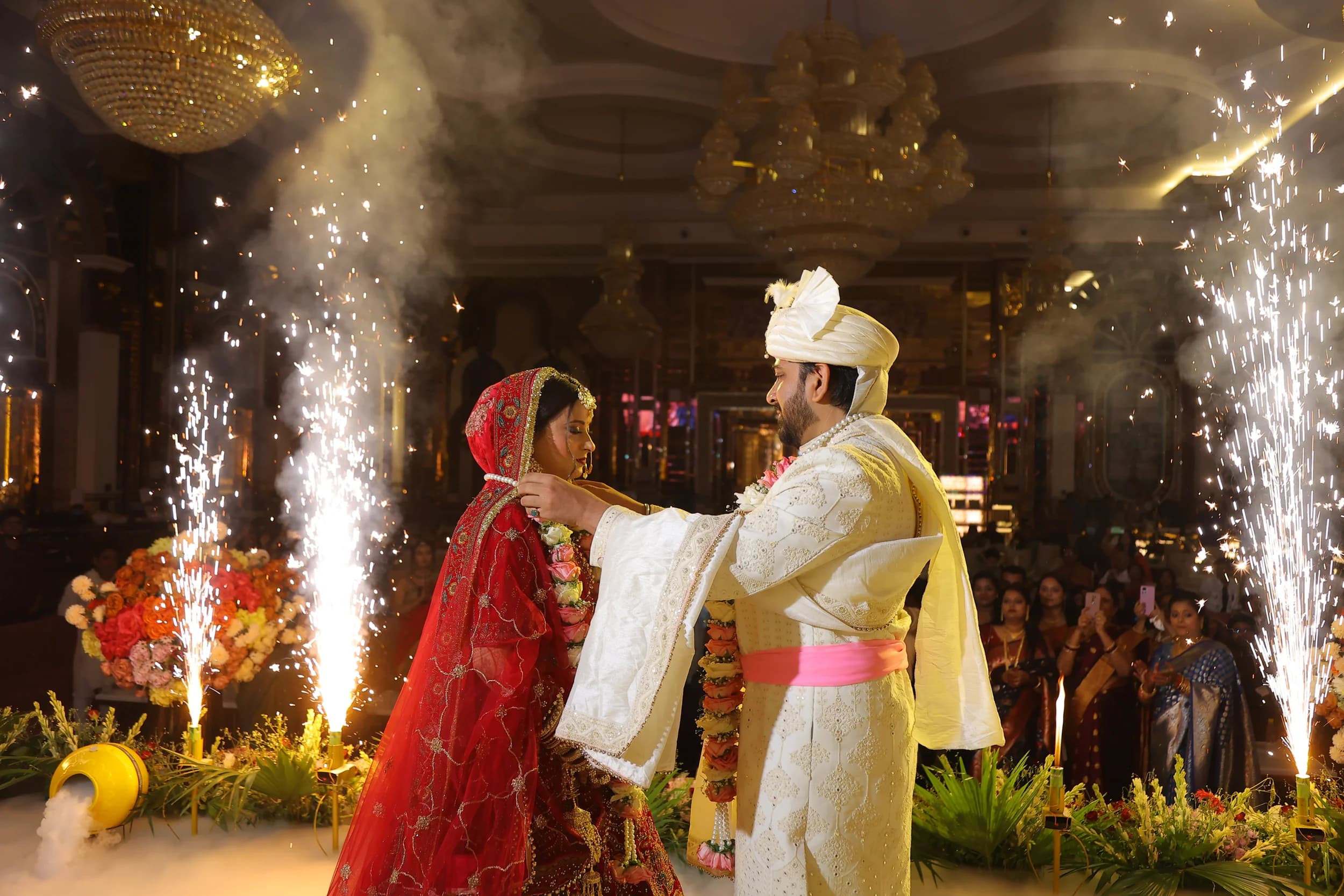
Every venue has a signature texture—whether it’s the marble columns of a heritage palace or the sleek glass walls of a corporate banquet hall. I love to arrive early to photograph those details before the crowd fills the space, because the empty room tells a story on its own. The way sunlight filters through a stained‑glass window can create a kaleidoscope of colors that become the backdrop for the bride’s entrance. In 2026 we experimented with drone shots over the Noida Stadium venue, capturing the entire layout in a single aerial frame that the couple used for their wedding website. Those wide‑angle perspectives give the album a cinematic feel that traditional ground shots can’t match.
Lighting tricks differ by venue; a high‑ceiling hall benefits from a softbox placed near the front to bounce light off the ceiling, while a courtyard with brick arches needs a reflector to soften harsh noon sun. We always scout for reflective surfaces—shimmering pools, polished wood floors, or even a decorative mirror that can bounce light onto the couple for a subtle glow. When the venue offers a garden, I ask the couple to schedule a quick sunset session; the golden hour adds warmth that indoor lighting can’t replicate. The venue’s décor, from floral arches to vintage chandeliers, becomes part of the narrative when we weave close‑up shots with candid moments. The final edit shows the venue not just as a backdrop, but as a living character in the love story.
Final Checklist Before Signing the Contract
Before you put pen to paper, confirm the exact start and end times, including any overtime fees that can rise sharply after midnight. Verify that the venue’s insurance covers accidents during the ceremony and that they have a clear policy for damage to décor or equipment. Ask for a detailed list of included services—catering staff, cleaning crew, and any in‑house audio‑visual support—to avoid hidden costs. Request a copy of the floor plan with measured dimensions so you can layout seating, the dance floor, and photo zones precisely. Finally, schedule a walkthrough with your photographer and planner a week before the wedding; this joint visit catches any last‑minute surprises and ensures every stakeholder speaks the same language.