Tips
Wedding Banquet in Noida: Insider Photographer Tips
A seasoned Noida photographer shares hands‑on tips for lighting, layout, and timing to make your wedding banquet shine.
Published 15 October 2026
Setting the Scene for a Wedding Banquet in Noida
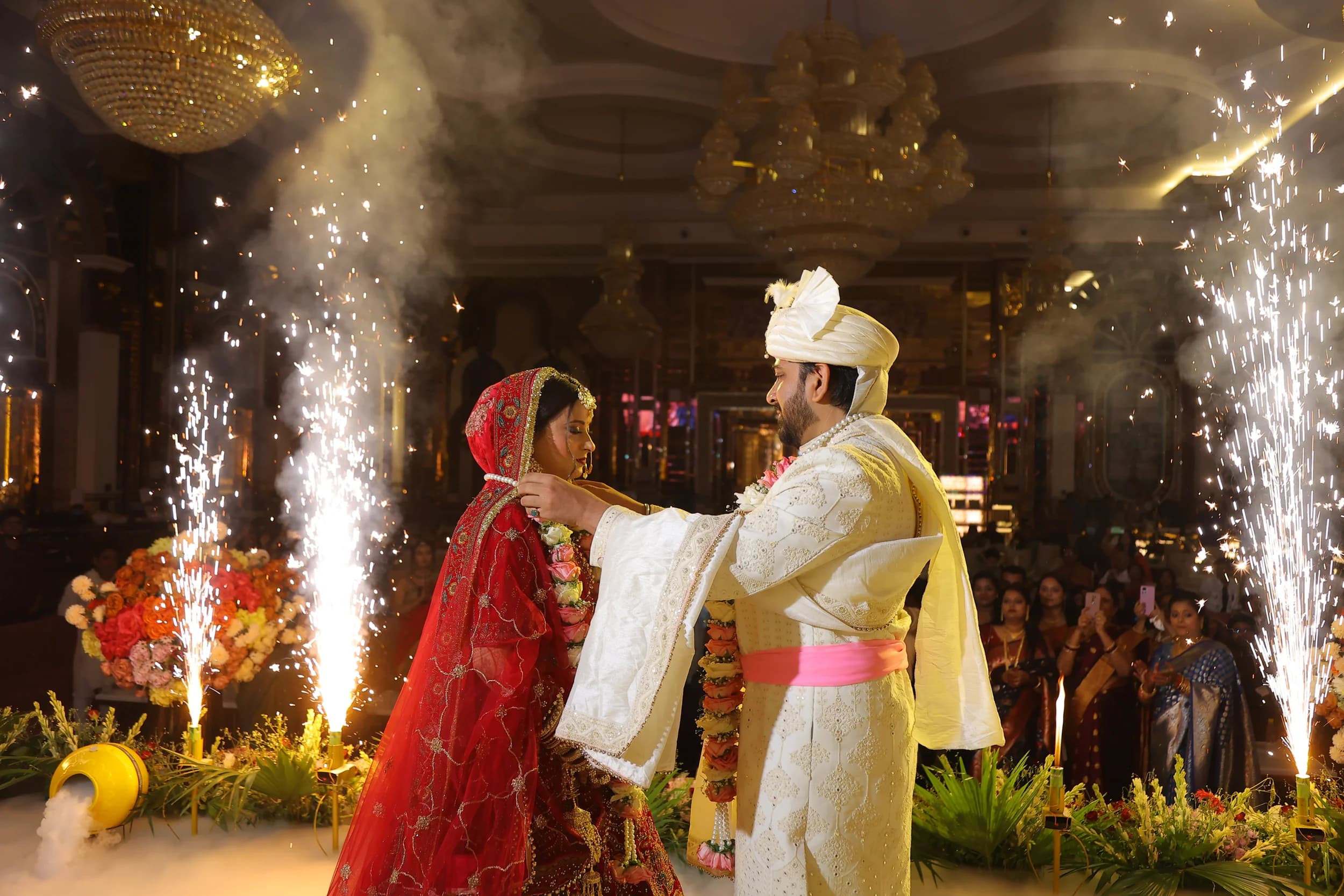
When the doors of a Noida banquet hall swing open, the first thing that hits the eye is the careful choreography of space. We’ve watched over 200 ceremonies this year alone where the placement of the head table determines the entire visual flow. Couples often pick venues like The Grand Ballroom or The Orchid Resort because the high ceilings amplify natural light during the early evening. In 2026‑2027 the trend leans toward softer pastel drapes that complement the warm glow of chandeliers, creating a timeless backdrop. Understanding how a wedding banquet in Noida can transform a simple reception into a storybook scene is the first step for any photographer.
Our team arrives at least two hours before the guests, mapping the aisle, the buffet line, and the dance floor for optimal camera angles. The pre‑ceremony walk‑through reveals hidden light sources—like a sliver of skylight that can be used for dramatic portraits of the couple. We also check the power outlets because the DJ’s setup often competes with the photographer’s lighting rigs for socket space. A quick conversation with the venue manager can uncover the exact moment the chandeliers dim, which is perfect for intimate candle‑lit shots. All these details add up to a seamless flow that lets the banquet’s ambience shine through every frame.
Lighting, Layout and Color: Making the Wedding Banquet in Noida Shine
The interplay of warm and cool tones is the secret sauce that makes banquet photography feel alive. At SRG PRODUCTION - Wedding Photographer in Noida we always arrive early to scout the banquet hall lighting and note where shadows fall. If the venue uses LED uplights, we position our key light at a 45‑degree angle to preserve the color integrity of the bride’s dress. When natural light streams through side windows, a simple diffuser can turn harsh sunlight into a soft, buttery wash that flatters every guest. Balancing these sources ensures that the table settings, from gold‑rimmed plates to crystal glassware, sparkle without overexposure.
Layout matters as much as lighting; a rectangular table arrangement creates strong leading lines that guide the viewer’s eye toward the couple. Conversely, round tables encourage a more communal feel, which works well for candid group shots during the dessert service. We recommend the photographer stand a few steps back from the central aisle, using a 24‑mm lens to capture both the grandeur and the intimate exchanges. If the banquet hall has mirrored walls, a slight tilt of the camera can reflect the dance floor, adding depth without cluttering the frame. A quick test shot with the venue’s ambient music playing helps us gauge how movement will affect exposure settings.
Capturing the Details: From Table Settings to Dance Floor
The devil is in the details, and a well‑set banquet offers a treasure trove of textures to photograph. From the silk napkins folded into delicate roses to the engraved nameplates, each element tells a part of the couple’s story. Our DSLR’s macro lens picks up the shimmer of a mother‑of‑bride’s heirloom necklace as she leans in for a toast. When the first dance begins, we switch to a slightly slower shutter speed to capture the gentle sway of the couple’s gowns against the flickering candles. The final shot of the night often features the cake’s topper illuminated by the soft glow of a single spotlight, sealing the banquet’s visual narrative.
Food photography may seem optional, but the banquet’s culinary spread is a centerpiece that guests remember for weeks. A top‑down shot of the buffet line, with colors ranging from saffron‑tinted biryani to emerald‑green paneer, adds vibrancy to the wedding album. We ask the catering team to hold a few plates longer, allowing the photographer to adjust focus and capture steam rising from hot dishes. During the cake cutting, a quick burst of high‑speed flash freezes the moment the knife slices through the layers, preserving the creamy frosting in perfect detail. These seemingly small frames combine to give the couple a comprehensive visual diary of their banquet celebration.
Managing the Flow: Timing the Service and Photo Moments
A well‑timed banquet runs like a symphony, and the photographer must be in sync with the service staff. When the servers bring out the first course, we capture the anticipation in guests’ eyes, a fleeting expression that disappears in seconds. Around the 45‑minute mark, the lighting usually shifts as the sun dips below the horizon, prompting us to adjust ISO and aperture on the fly. Coordinating with the MC to announce the bouquet toss gives us a clear window to frame the bride’s smile against the backdrop of hanging lanterns. By anticipating these cues, we avoid missing the decisive moments that define a memorable wedding banquet in Noida.
We also keep an eye on the dance floor’s energy; a sudden surge of movement can create dynamic blur that adds excitement to the album. When the DJ drops the couple’s first song, we position a handheld reflector to bounce light onto the couple’s faces, preventing harsh shadows. If the banquet includes a cultural performance, we set up a secondary camera on a tripod to capture wide‑angle shots without missing close‑ups. Our post‑production workflow benefits from labeling each clip in real time, so the editor can quickly locate the golden moments during the final cut. The result is a seamless visual story that mirrors the rhythm of the night, from appetizers to the final goodbye.
Final Checklist for a Flawless Banquet
Before the big day, confirm the venue’s power capacity, backup generators, and any restrictions on external lighting equipment. Create a shot list that includes at least three wide‑angle views, five detail close‑ups, and two candid sequences of the guests. Assign a point person—often the bride’s sister—to alert the photographer when the cake is ready, the speeches start, or the lights dim. Test all lenses, batteries, and memory cards the night before; a single dead battery can cost you a priceless moment. With this checklist in hand, couples can relax, knowing the banquet’s visual legacy is in experienced, trustworthy hands.