Tips
Wedding Banquet in Noida: Insider Tips from a Pro
A veteran photographer shares practical tips and behind‑the‑scenes stories to help you capture the magic of a Noida wedding banquet.
Published 12 September 2026
First Impressions: What Makes a Noida Banquet Unique
The moment the doors of a Noida banquet hall swing open, the scent of jasmine and polished wood tells the story before a single click is taken. A wedding banquet in Noida is a blend of traditional mandap vibes and modern lighting rigs that can turn a simple table into a runway. We spend the first half‑hour walking the aisles, noting where the chandeliers cast soft pools and where the DJ’s laser bar will cut across the ceiling. Understanding the flow of guests helps us predict when the best candid moments will happen. Every detail, from the embroidered table runners to the silverware gleam, becomes a visual cue for the shoot.
The banquet layout often follows a symmetrical design, but the real charm hides in the asymmetrical touches—like a flower arch that leans slightly toward the stage. I’ve watched families from Ghaziabad pull out a vintage gramophone, and the resulting photos feel timeless. The sound of clinking glasses mixes with the hum of air‑conditioners, creating a backdrop that only a seasoned photographer can balance. By the time the first toast starts, we already have a mental map of where to position ourselves for the perfect angle. Those early observations turn ordinary moments into standout images.
Lighting Strategies for a Wedding Banquet in Noida
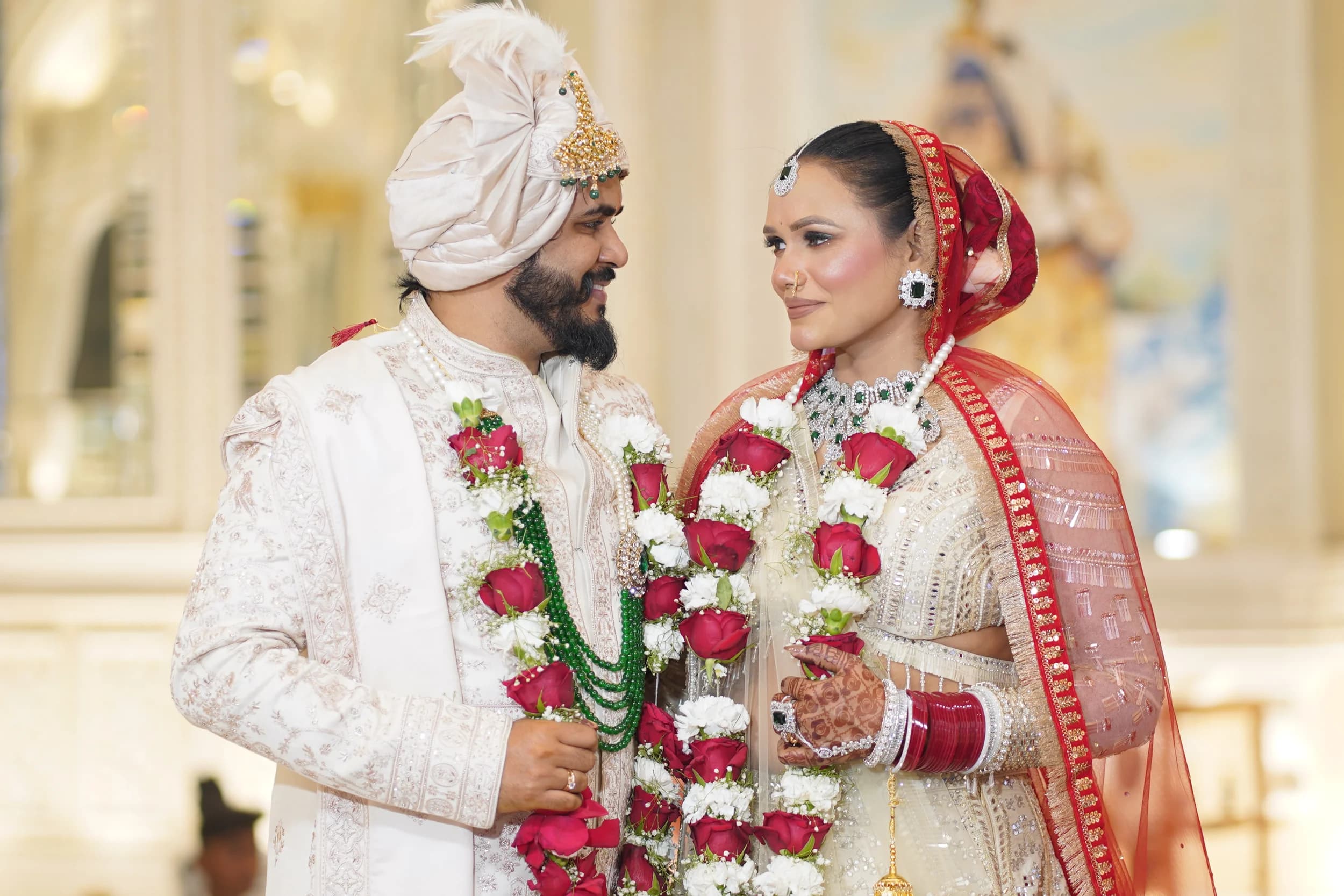
At SRG PRODUCTION - Wedding Photographer in Noida we always arrive early to map the lighting and flow of the banquet hall, testing the color temperature of every chandelier. The biggest challenge is the mix of warm amber from decorative lanterns and cool white from the stage floodlights, which can make skin tones look inconsistent. I usually add a portable LED panel with a soft diffuser to fill in shadows without stealing the ambience. When the bride’s veil catches the golden light, I tilt the camera just enough to let the sparkle pop without overexposing the background. The result is a balanced image that feels both intimate and grand.
During the dinner service, the dimmed lights create a cozy atmosphere, but they also hide the subtle expressions that make a banquet memorable. To combat this, I keep my ISO around 800 and a fast prime lens at f/1.8, allowing me to capture those fleeting smiles without motion blur. The occasional flash from the dessert table adds a highlight that can be used creatively, especially when the couple cuts the cake. By syncing my shutter speed with the live band’s rhythm, the photos gain a subtle energy that mirrors the celebration. It’s a dance of light and timing that only experience can perfect.
Capturing the Flow of Guests and Family Moments
A Noida wedding banquet is a marathon of interactions—relatives greeting each other, children darting between tables, and elders sharing quiet conversations over chai. I position myself near the central aisle, where the majority of movement converges, allowing me to anticipate gestures before they happen. One of my favorite shots is the grandfather handing the bride a family heirloom; the lighting from the nearby chandelier adds a halo effect that feels cinematic. I also keep a second camera on a monopod for quick, unobtrusive bursts when the main camera is busy with the couple. These techniques ensure no heartfelt moment slips through the cracks.
The timing of the speech segment is a gold mine for emotion. When the best man raises his glass, the room quiets and every eye focuses on him, creating a natural spotlight. I switch to a longer focal length to compress the background and isolate the speaker, making the words appear as visual poetry. Meanwhile, the guests’ reactions—tears, laughter, nods—are caught in the peripheral frames, adding layers to the story. By the end of the night, the album reads like a novel, with each chapter captured in a single, well‑timed frame.
Venue Selection Tips: What to Look for in a Banquet Hall
When couples tour banquet halls in Noida, they often focus on capacity and catering, but the photographer’s eye looks for ceiling height, natural light sources, and acoustic design. A hall with high ceilings and recessed lighting offers flexibility for dramatic overhead shots, while large windows can flood the space with soft daylight if the ceremony runs into early evening. I advise couples to request a walk‑through after the décor is set up, so we can see how the colors will render on camera. A venue that allows a few power outlets near the dance floor can be a lifesaver for extra lighting gear. These practical considerations prevent last‑minute surprises and keep the creative flow smooth.
Another hidden gem is the banquet’s back‑of‑house area—often an overlooked corridor or a side garden. I love using these spaces for intimate portrait sessions, especially when the main hall is crowded. The texture of exposed brick or a modest fountain can add character that complements the lavish main banquet. If the venue offers a rooftop terrace, a sunset silhouette of the couple becomes an instant classic. My experience shows that a venue with versatile spaces gives us the freedom to capture both grand spectacles and quiet whispers.
Post‑Production: Turning Raw Shots into a Timeless Album
After the lights dim and the guests leave, the real work begins in the editing suite. I start by selecting roughly 1,200 raw images from the night and narrow them down to about 500 that tell a cohesive story. Color grading is subtle—enhancing the warm gold of the chandeliers while preserving the natural tones of skin. I also retouch minor distractions, like stray confetti or a reflective spoon, but never erase the authenticity of the moment. The final album delivers a balance of candid energy and polished elegance, reminding the couple of every laugh, tear, and toast from their wedding banquet in Noida.