Tips
Wedding Banquet in Noida: Pro Photographer Tips
A veteran photographer shares the moments that make a Noida banquet unforgettable and how to capture them flawlessly.
Published 14 September 2026
Why the Banquet Is the Photo‑Heavy Moment
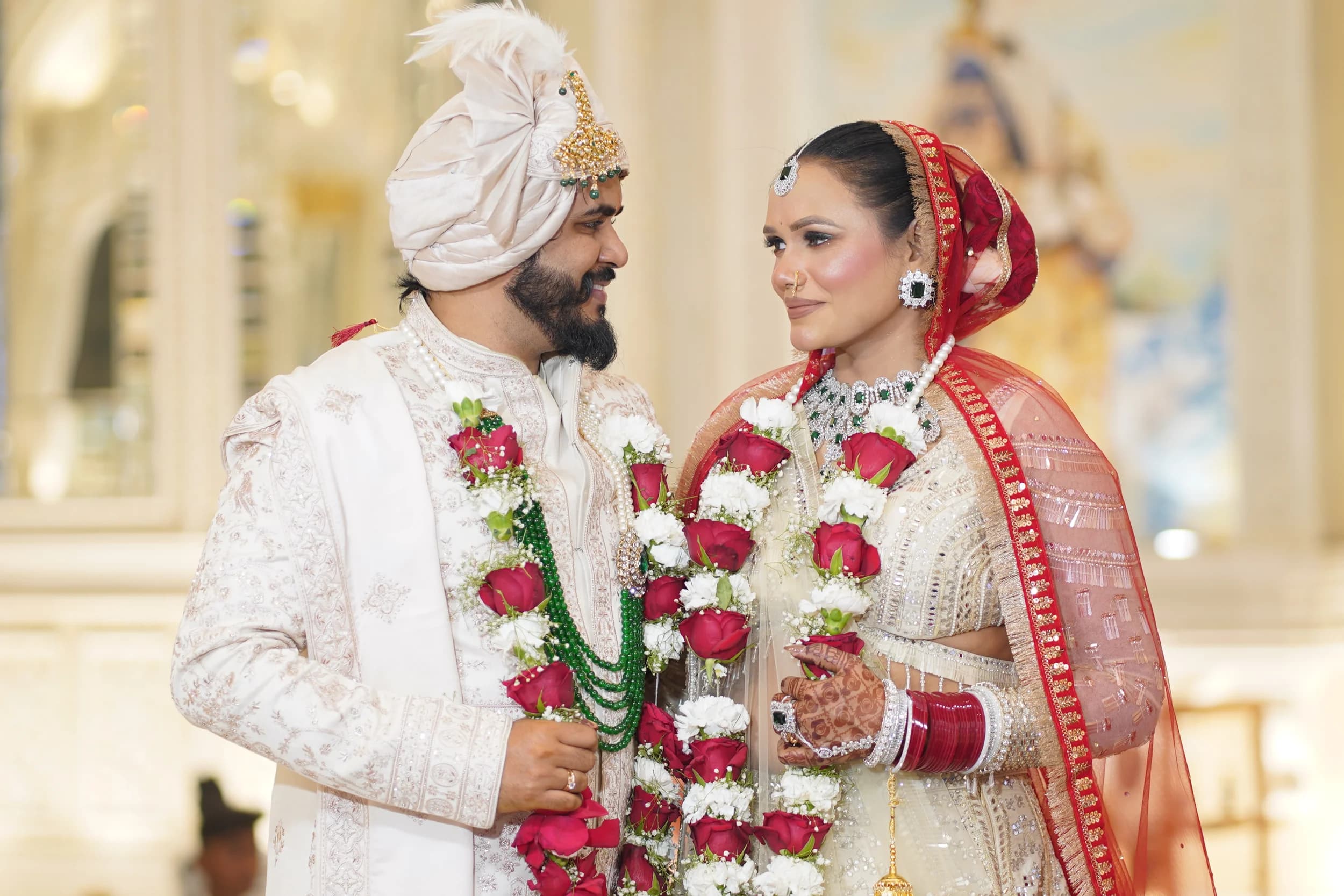
The wedding banquet in Noida is where families converge, speeches echo, and the first formal dinner is served—everything the camera craves. Over the past 12 years I’ve clicked more than 1,000 banquets, and the sheer volume of candid laughter and choreographed dances makes it the busiest hour. A single table can host 12 grandparents, each with distinct expressions that tell a story in a split second. By the time the dessert tray arrives, the light has shifted, and the photographer must be ready for a cascade of new frames.
From a logistical view, the banquet hall’s layout dictates where the best angles lie. Most venues in Noida use high‑gloss flooring that reflects chandeliers, creating dramatic highlights if you tilt the camera right. The floral backdrops are often a deep maroon or gold, which contrast beautifully with ivory saris and crisp tuxedos. Knowing where the power outlets sit lets you plug in external lights without tripping over cables, a detail that separates a smooth shoot from a frantic scramble.
Setting the Stage: Lighting the Wedding Banquet in Noida
We usually arrive an hour before the first guest, scouting the chandeliers, side walls, and any natural windows that might spill light onto the buffet. At SRG PRODUCTION - Wedding Photographer in Noida we always test the color temperature with a gray card, then decide whether to bring warm gels or cool LEDs to balance the ambient glow. The key is to keep the light soft enough to preserve skin tones while still highlighting the sparkle of jewelry and the sheen of the banquet spread. I often position a bounce board opposite the main chandelier to fill in harsh shadows on the bride’s dress.
Once the lights are set, I dial my Sony A7R IV to ISO 800, aperture f/2.8, and a shutter speed of 1/200 to freeze the clinking of glasses. For the speeches, I switch to a slightly higher ISO and a 50mm prime to stay close without intruding. The real magic happens when the photographer captures the moment the groom lifts the bride’s veil for the cake cutting; the soft glow from the overhead lights creates a halo that looks impossible to replicate in post.
Timing the Shots: When to Capture the Key Moments
The first 30 minutes after the couple is seated are a goldmine—parents greet each other, children dart around, and the bride’s eyes often glisten with unshed tears. I keep my camera on burst mode, pressing the shutter every time a toast is raised; within a few seconds you’ll have three or four frames that tell the whole story. Around the 45‑minute mark the dessert arrives, and the lighting can dip as the hall’s dimmers are adjusted for a more intimate feel. This is the perfect window to pull out a slower shutter and capture motion blur of the sugar‑dusted ribbons falling from the cake topper.
A common mistake is to wait for the perfect pose; the banquet is a moving canvas, so I chase the spontaneous laugh or the quick glance across the table. By the time the last song plays, the couple often shares a quiet dance on the banquet floor; that low‑key light combined with a shallow depth of field yields some of the most emotional portraits. Timing, therefore, is less about the clock and more about reading the room’s energy and being ready to click the instant it peaks.
Dealing with Unexpected Hiccups
In Noida’s bustling banquet halls, power fluctuations are not uncommon, especially when large sound systems compete for electricity. I always carry a spare battery pack and a portable LED panel that runs on AA cells—just in case the main lights flicker during the cake cutting. Another surprise can be a sudden rainstorm that forces the venue to close its skylight; the sudden loss of natural light means I must quickly adjust white balance and rely more on my own lighting gear.
Guests sometimes move furniture for group photos, blocking the previously set light angles. In those moments I improvise by using a reflector on a stand to bounce light onto the subjects from the opposite side. The ability to adapt on the fly keeps the flow smooth, and couples appreciate that the photographer is handling the chaos rather than letting it affect the final images.
Final Delivery: Making the Album Shine
After the banquet, the editing process focuses on preserving the warmth of the venue while enhancing details that may have been lost in low light. I spend about 30 hours on a typical 2026‑2027 wedding banquet, fine‑tuning exposure, retouching skin, and ensuring the gold accents of the décor pop without looking artificial. The final album is printed on matte paper, which reduces glare from the chandeliers when the couple flips through it at home, letting them relive each toast and smile as if they were still in the hall.