Tips
Wedding Banquet in Noida: Pro Photographer Tips
A veteran photographer shares practical tips for shooting a wedding banquet in Noida, from lighting tricks to guest portrait flow.
Published 24 September 2026
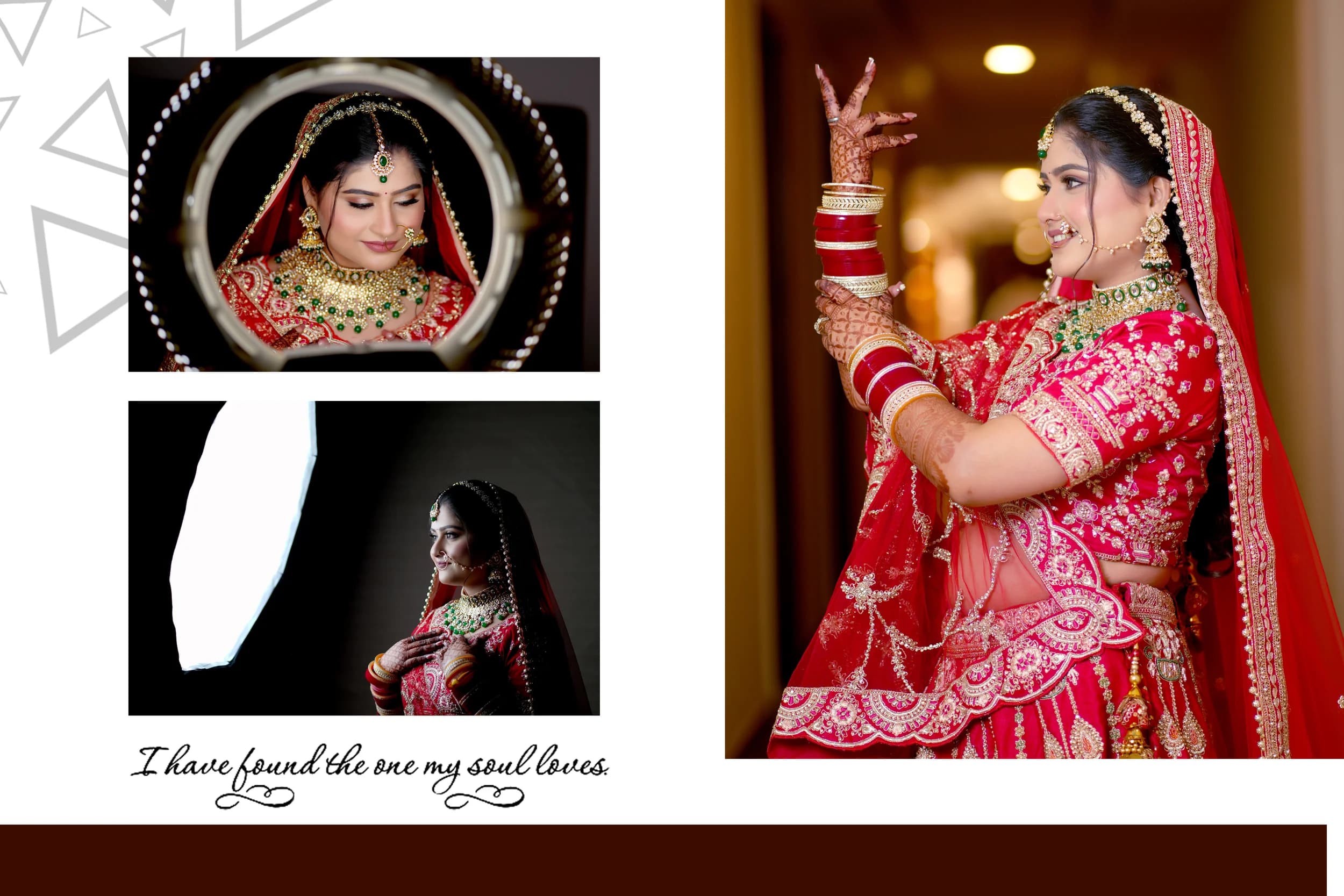
Why the Banquet Matters
The wedding banquet in Noida is the heart of the celebration, where families gather over elaborate dishes and toasts. As the photographer, I watch the room’s energy shift from formal ceremony to relaxed dining, and that transition creates a unique storytelling moment. The clink of glasses, the steam rising from biryani, and the glow of chandeliers give me texture to work with. Couples often underestimate how much personality is revealed when guests are seated and eating. Capturing these genuine interactions adds depth to any wedding album.
Every banquet hall in Delhi NCR has its own quirks—some have high ceilings that swallow light, others have intimate nooks that invite close‑up shots. Over the past 12 years I’ve learned to read the floor plan within minutes, spotting the perfect angles for both wide‑room overviews and intimate table moments. The menu itself can influence timing; a multi‑course service means the room will ebb and flow, providing natural pauses for portrait sets. Knowing the sequence of the feast helps me anticipate when the best lighting will be available. This foresight turns a chaotic dinner into a series of well‑timed photographs.
Setting the Stage for a Wedding Banquet in Noida
At SRG PRODUCTION - Wedding Photographer in Noida we always arrive early to scout the banquet hall lighting and test white‑balance on the spot. The first thing I check is whether the chandeliers are dimmable or if supplemental LED panels are needed to avoid harsh shadows on the bride’s dress. I also coordinate with the event planner to know when the first toast will happen, because that moment usually brings the most expressive faces. Once the lighting is locked, I place a few discreet reflectors near the head table to bounce soft light onto the couple during the cake cutting. This preparation ensures that the final images feel warm and natural rather than over‑exposed.
During the pre‑service walk‑through I make notes about decorative elements—like floral arches or custom monograms—that can become focal points in my compositions. I love framing a plate of traditional sweets against a backdrop of glittering drapes; it tells a story of culture and celebration. If the venue offers a balcony or a glass wall, I position myself to capture the city lights peeking through as the night deepens. These subtle details often become the favorite prints for the couple. The key is to stay flexible; a sudden rain shower can force the banquet indoors, and I must adapt lighting on the fly.
Candid Moments on the Feast
While guests are serving themselves, I move like a quiet observer, using a 35mm lens to catch spontaneous laughter over a shared dish of chaat. The real gold appears when an elderly relative lifts a glass and the camera catches the sparkle in their eye—a moment you can’t script. I keep my camera on silent mode to avoid disrupting conversations, yet I’m ready to fire at a split second when a toast erupts into applause. These candid bursts of emotion become the heartbeats of the banquet album. After each course, I circle the room, noting who is still engaged in conversation and who has drifted to the dance floor, adjusting my focus accordingly.
The rhythm of the meal often dictates the pace of my shooting. When the main course is served, the room quiets, offering a perfect window for intimate portraits of the couple at their table. I love using a shallow depth of field here, blurring the bustling background while keeping the bride’s smile razor‑sharp. As dessert arrives, the mood lifts again, and I capture children sneaking extra gulab jamun with mischievous grins. By reading these cues, I turn ordinary dining into a vivid visual narrative.
Smooth Photo Flow After the Meal
Once the last bite is taken, I transition to the post‑banquet photo session without missing a beat. I signal the DJ to dim the dance floor lights just enough for a soft backdrop while the couple steps out for a few staged shots. This quick shift keeps the energy high and the guests still engaged, preventing long downtime that can sap excitement. I also have a portable backdrop ready for any last‑minute family portrait requests that families often make after the meal. The goal is to weave these formal images seamlessly into the candid banquet story, creating a balanced album.
The timing of the cake cutting is a natural bridge between the dining and dancing phases. I position myself at a 45‑degree angle to capture the groom’s face as he lifts the knife, while also framing the tiered cake against the ambient lighting. A burst of confetti or sparklers adds sparkle that translates beautifully on screen. After the cake is served, I quickly move back to the dance floor to document the first celebratory dance, ensuring the album flows from intimate to exuberant. This orchestrated flow keeps the visual narrative cohesive and memorable.
Wrap‑Up Tips for a Memorable Banquet
Plan your timeline with the caterer and the venue so you know exactly when each course hits the tables; this knowledge lets you line up your lenses and lighting gear without scrambling. Communicate your photo priorities—whether you want more candid table moments or polished portrait sets—so the wedding coordinator can schedule short pauses accordingly. Finally, trust a seasoned photographer who knows the quirks of Noida banquet halls; experience turns unpredictable lighting into an artistic advantage.