Tips
Wedding Banquet in Noida: Pro Photographer Tips
A veteran photographer shares real‑world advice on mastering the wedding banquet in Noida, from pre‑event prep to final edit.
Published 25 September 2026
Why the Wedding Banquet in Noida Matters
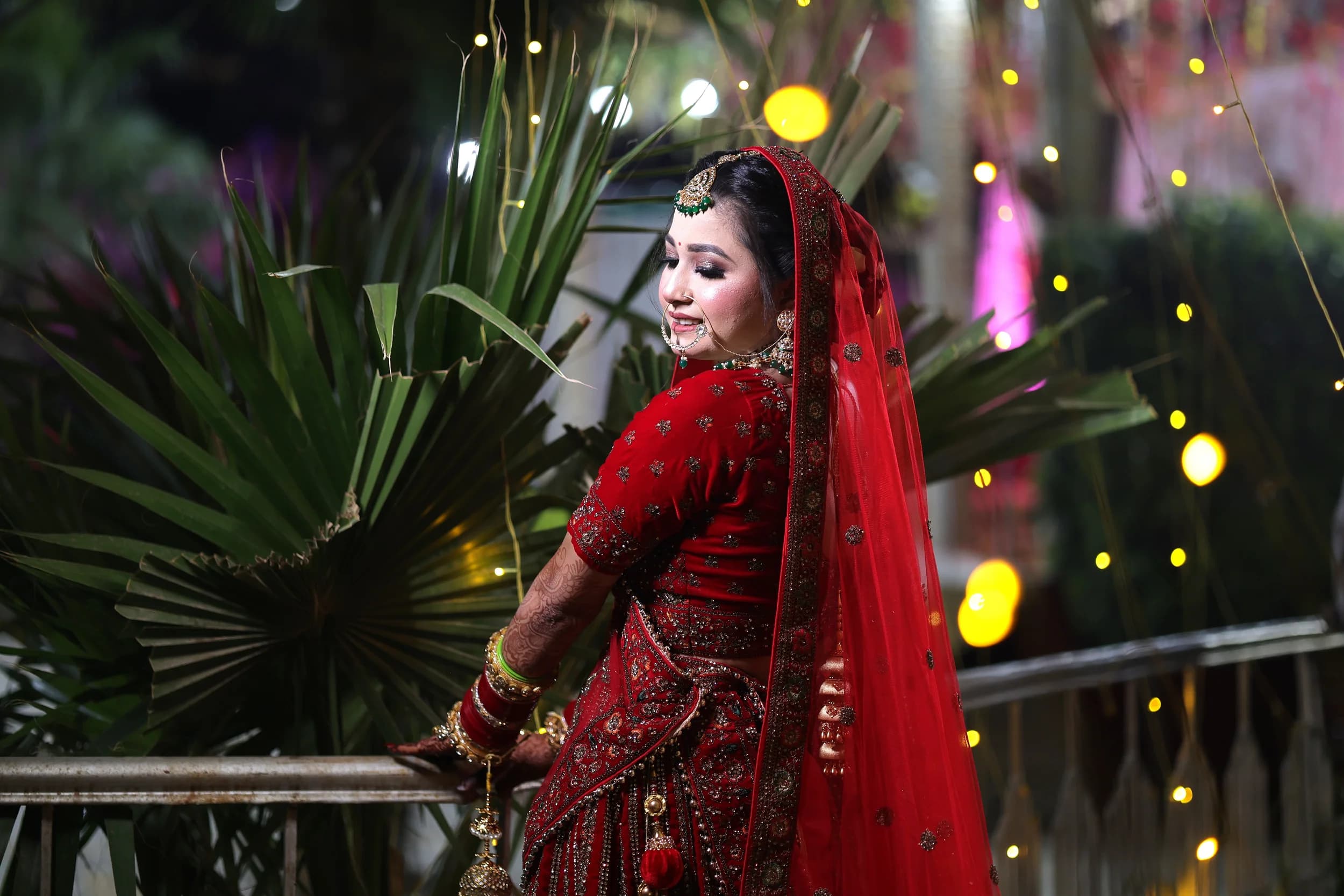
Most venues in the NCR rush to accommodate large guest lists, so they often overload the space with heavy floral arches and towering cake stands. Those elements can cast unwanted shadows or block sight lines if not positioned thoughtfully. We always scout the venue a day before, noting where natural light pours in and where the air‑conditioner vents sit, because a sudden gust can displace a delicate veil at the perfect moment. When the bride steps onto the stage for the first toast, the camera must be low enough to capture the sparkle on her earrings but high enough to frame the entire room. Balancing these technical details while staying invisible to guests is a delicate dance.
Lighting and Décor Challenges
Decorators love using glittering sequins and metallic ribbons, but those materials reflect light in unpredictable ways, especially when guests move. I keep a polarising filter handy to cut down on glare from the shiny centrepieces without losing the sparkle of the jewellery. When the groom raises a toast, the reflected light can create a halo effect that adds drama, so I sometimes angle the camera to capture that rim of light. Yet I also watch for harsh hotspots that can erase detail from the bride’s makeup. The key is to read the room in real time and adjust exposure settings on the fly.
Capturing Candid Moments
Even the smallest gestures—an uncle adjusting a bow tie, a child reaching for the candy tray—add texture to the narrative. I use a silent shooting mode on my camera to avoid disrupting the rhythm of the ceremony while still freezing those fleeting expressions. The banquet’s background, whether it’s a marble wall or a painted mural, provides context, so I often include a bit of the décor in the frame to ground the moment. During the cake cutting, the sparkle of the knife and the couple’s shared grin are captured in rapid succession, ensuring we don’t miss the perfect split‑second. These details, when woven together, turn a series of snapshots into a living memory.
Working with Vendors for a Seamless Wedding Banquet in Noida
One memorable experience involved a last‑minute change in the cake design—an extra tier was added just two hours before the banquet. Because we had already mapped the lighting plan, I adjusted my exposure to accommodate the taller cake without losing the ambience of the surrounding tables. The venue’s in‑house photographer was handling the live‑stream, so we communicated via walkie‑talkie to avoid stepping on each other’s shots. The result was a seamless transition: the live audience saw the cake unveiling, while my camera captured the delighted gasp of the bride’s grandparents. Such flexibility, backed by solid vendor relationships, turns potential chaos into a smooth narrative.
Post‑Banquet Editing Workflow
After the last guest departs, the real work begins in the editing suite, where I transform raw captures into a cohesive album. I start by syncing the colour‑checker data to balance the warm banquet lighting with the cooler tones of the evening sky visible through the hall’s glass walls. From the hundreds of images, I select roughly 250 that tell the full story—from the arrival of the bridal party to the final send‑off. Each photo receives a subtle dodge‑and‑burn to bring out the sparkle in jewellery while preserving skin tones, and I apply a consistent grain overlay to give the collection a timeless feel. The final PDF proof is delivered to the couple within two weeks, often accompanied by a USB drive containing high‑resolution files for printing.