Tips
Wedding Banquet in Noida: Pro Photographer Tips for 2026
A wedding banquet in Noida is a blend of vibrant colors, bustling energy, and fleeting moments. Learn how we capture it flawlessly.
Published 6 October 2026
First Impressions: Setting the Scene
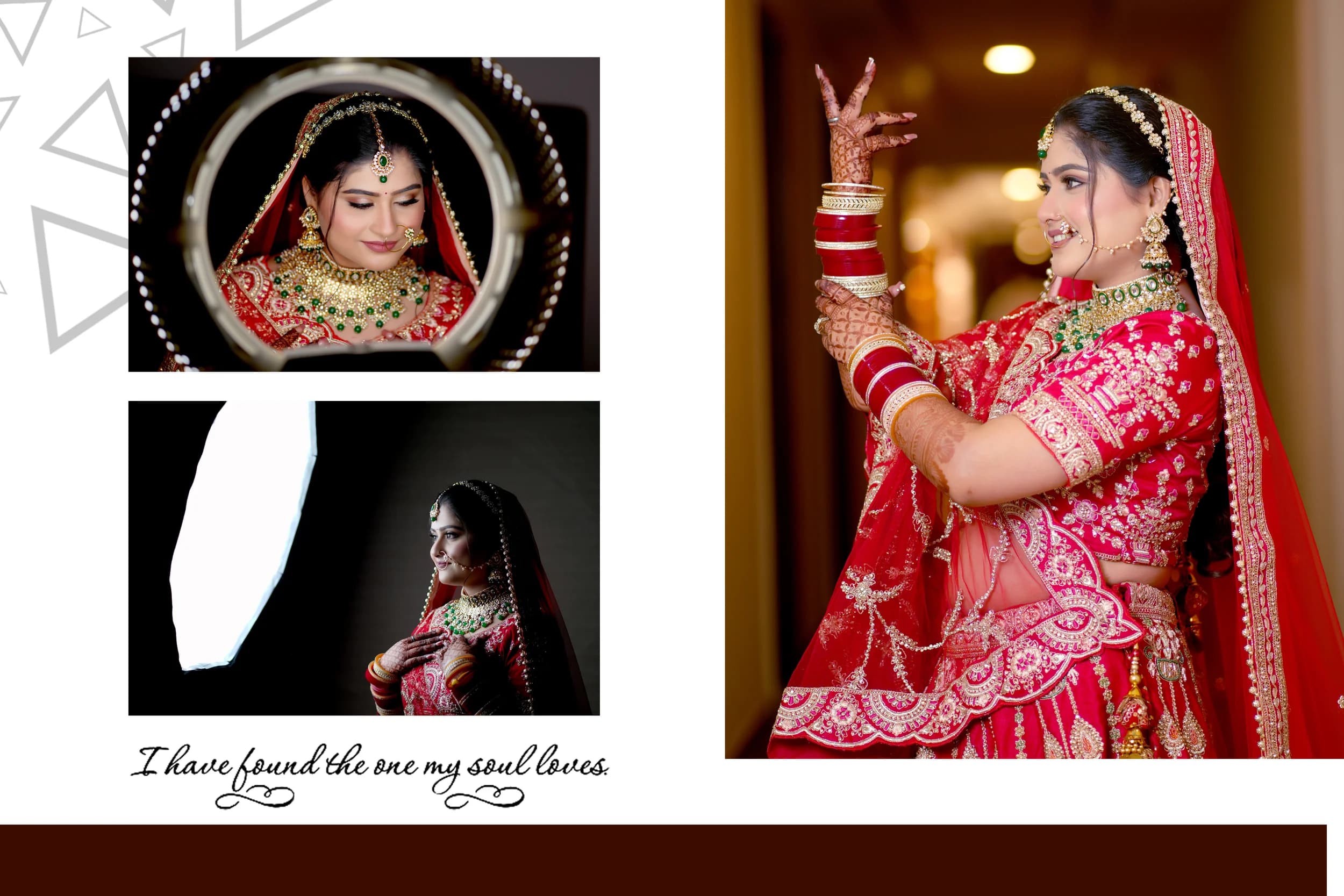
Walking into a Wedding Banquet in Noida, the first thing that hits you is the burst of marigold garlands against polished marble, instantly announcing celebration. The aroma of fresh roses mingles with the faint hint of incense, creating a sensory backdrop that photographers love. Guests in pastel sherwanis and glittering lehengas form moving islands of color, each waiting for a perfect frame. As the photographer, I scan the room for focal points, knowing the banquet will set the visual tone for the entire day.
The layout of most Noida banquet halls follows a rectangular spread, with a central stage for the bride and groom and side tables for the feast. In 2026, many venues have upgraded to LED ambient lighting that can be tuned from soft amber to cool white, which offers us flexibility but also demands careful white‑balance settings. I always arrive an hour early to test the venue’s Wi‑Fi, because we now sync our cameras with cloud backups in real time. This prep saves minutes that later become precious when the first toast is raised.
Lighting Challenges at the Banquet Hall
Even with modern LED rigs, banquet lighting can swing wildly between overexposed chandeliers and shadowed corners, especially when the sun sets behind the city’s skyline. At SRG PRODUCTION - Wedding Photographer in Noida we always start by measuring the color temperature with a handheld spectrometer, then set our custom white‑balance profile before the ceremony begins. The key is to balance the warm glow on the bride’s saree with the cooler tones on the groom’s sherwani, ensuring both look natural on camera. A quick test shot on a reflective surface confirms we’ve captured the true hue without blowing highlights.
Another hurdle appears when the DJ dims the lights for the first dance, turning the room into a near‑dark space where only the strobe flashes remain. I rely on fast lenses—typically a 24‑70mm f/2.8 and an 85mm f/1.4—to freeze motion without raising ISO beyond 800, which would introduce grain. Adding a discreet on‑stage fill light, hidden behind a decorative backdrop, helps preserve facial details while keeping the mood intimate. Throughout the night, I keep a spare battery pack close, because swapping batteries mid‑song can cause a missed candid.
Candid Moments and Cultural Nuances
Indian weddings thrive on spontaneous rituals, and the banquet is no exception; the moment the eldest aunt whispers a blessing into the bride’s ear often goes unnoticed by the crowd but captured perfectly by a watchful lens. I position myself near the buffet line, where relatives gather to chat, because those informal conversations produce genuine smiles. The traditional 'phoolon ki chaadar' ceremony, where petals rain down on the couple, creates a cascade of color that looks spectacular when shot at a slower shutter speed. Capturing these candid snippets adds depth to the visual story, turning a simple banquet into a cultural archive.
Food plays a starring role, and the moment the head chef presents the first platter of biryani, steam rising like a veil, is a photographer’s goldmine. I often use a macro lens to highlight the glistening spices, then pull back to show guests’ delighted expressions as they take their first bite. In Noida, many families incorporate a 'saat phere' toast during the banquet, where glasses clink in unison; timing the shutter to capture the splash of liquid creates dynamic images. These nuanced details, once stitched together, convey the richness of the celebration beyond posed portraits.
Coordinating with Vendors and Timelines
Successful banquet coverage hinges on clear communication with the event planner, caterer, and lighting technician, each controlling a piece of the visual puzzle. I share a detailed shot list a week before the wedding, highlighting moments like the cake cutting, the first dance, and the late‑night sweets spread, which helps vendors anticipate my positioning. During the rehearsal, I walk the floor with the sound engineer to synchronize camera flashes with musical cues, preventing unwanted glare on the stage. This teamwork ensures that when the clock strikes midnight, we’re still capturing crisp images without disrupting the flow.
The timing of the banquet’s courses also dictates our shooting rhythm; a three‑hour dinner means we have to capture both the formal and the relaxed phases. While the appetizers are being served, I focus on close‑ups of décor—hand‑painted rangoli, crystal chandeliers, and silk drapes—then shift to group shots as families gather for the main course. When the dessert table is unveiled, I transition to low‑angle shots that emphasize the towering sweets against the illuminated backdrop. By mapping these intervals, we avoid frantic rushes and maintain a steady narrative pace.
Post‑Banquet Editing: Bringing the Story to Life
After the night ends, the real magic happens in the editing suite, where raw captures transform into a cohesive album that reflects the banquet’s energy. I begin with color grading, matching the warm golds of the venue’s décor to the cool blues of the evening sky, using Lightroom presets we refined over 12 years of weddings. Next, I select the top 150 images that tell a story—from the grand entrance to the final farewell—while preserving candid moments that reveal authentic emotion. The final delivery includes a USB drive, an online gallery optimized for mobile, and a printed coffee‑table book that lets couples relive their Wedding Banquet in Noida for years to come.