Tips
Wedding Banquet in Noida: Real Photographer Insights
A behind‑the‑scenes look at how we capture the magic of a Noida wedding banquet, from lighting to candid moments.
Published 3 November 2026
Setting the Scene: Wedding Banquet in Noida
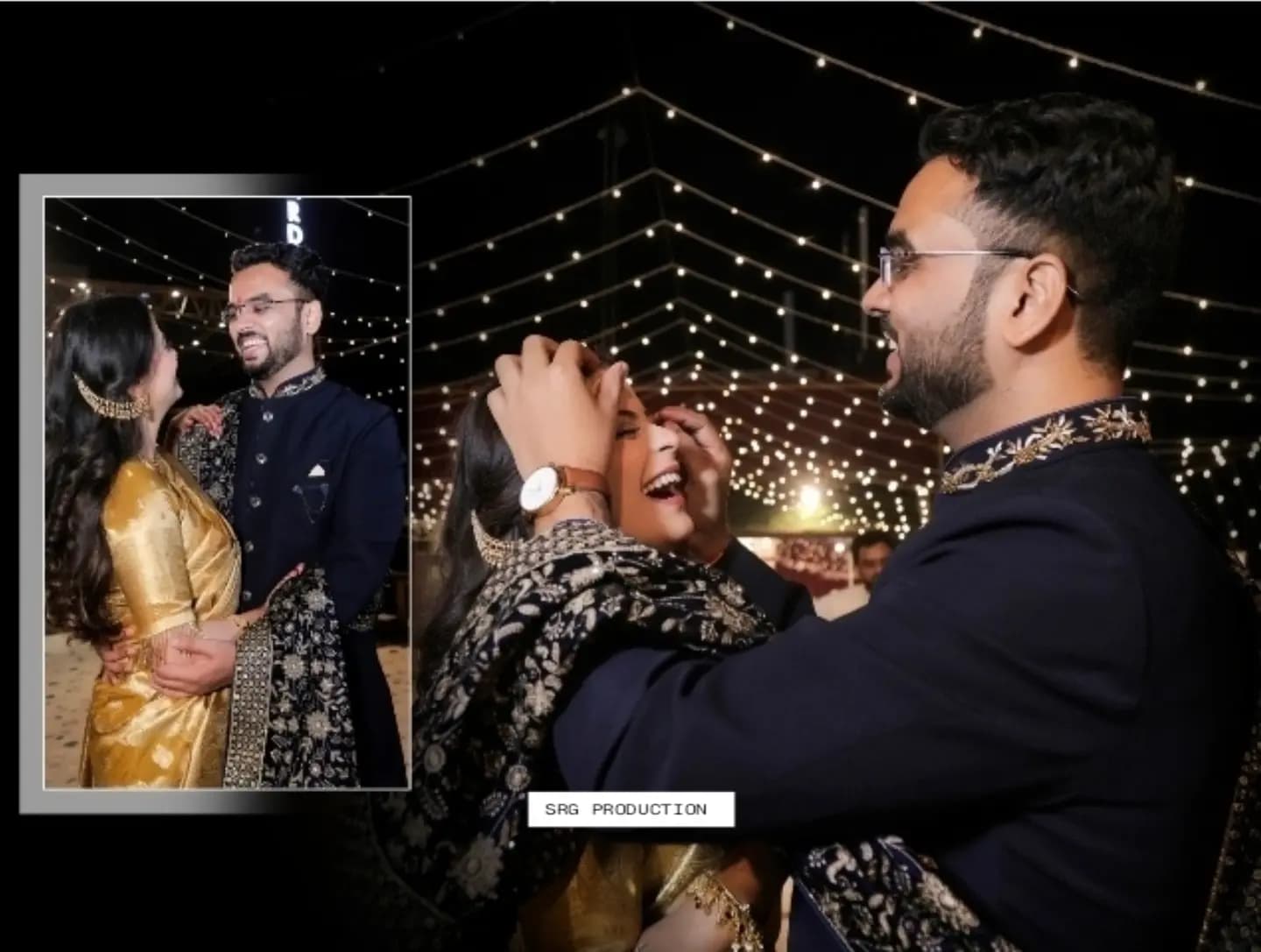
The moment I step into a Noida banquet hall, the first thing that hits me is the blend of modern décor and traditional touches. Marble floors reflect the soft glow of chandeliers, while floral arches frame the mandap in a way that begs for a wide‑angle shot. I always walk the aisle with a handheld light meter, noting how the natural light from large windows competes with the overhead fixtures. Couples often choose venues near the Delhi‑Gurgaon Expressway because the travel time is short for out‑of‑town guests, which means the lighting conditions stay consistent throughout the evening. All of these details guide my camera settings before the ceremony even begins.
Timing is another hidden variable that can make or break the banquet photography. In the 2026‑2027 wedding season, many couples schedule the dinner service at 7:30 pm to capture the golden hour glow just before the lights come up. I coordinate with the event manager to know when the first course is served, because that’s when the first candid smiles appear over the tables. A quick chat with the catering team also tells me when the dessert platter will be brought out—perfect for a close‑up of colorful sweets. By mapping the meal timeline, I can anticipate moments that turn ordinary gestures into story‑telling images.
Lighting the Feast: Natural and Artificial Strategies
At SRG PRODUCTION - Wedding Photographer in Noida we always arrive at least thirty minutes early to set up a few soft‑box lights that complement the venue’s existing fixtures without looking artificial. I prefer a 5600 K daylight balance for the natural light that pours in through the side windows, then add a low‑intensity LED panel on the opposite side to fill in harsh shadows on the guests’ faces. This combination lets me capture the sparkle on a bride’s necklace while keeping the ambience of the banquet intact. I also keep a portable reflector in my kit to bounce light onto the groom’s tuxedo when the ceiling lights are too dim for a clean portrait.
When the evening shifts to a fully lit banquet, the color temperature drops, and the challenge becomes preserving skin tones. I switch to a 3200 K white balance and raise the ISO just enough to avoid noise—usually around 800 on my full‑frame body. The key is to keep the shutter speed fast enough to freeze the moment when a guest lifts a glass for a toast, yet slow enough to let the background glow through. A quick test shot of the dessert table confirms that the sugar crystals retain their sparkle, and I adjust the aperture to f/2.8 for a shallow depth that isolates the cake from the bustling background.
Capturing the Rituals and Details
The banquet isn’t just about the food; it’s a stage for rituals that unfold in a matter of minutes. When the bride’s parents perform the traditional "Rukhsat" ceremony, the lighting changes as the hall dims and a spotlight follows the family, creating dramatic silhouettes. I position myself near the edge of the mandap to catch the tearful glances without intruding, using a 70‑200mm lens that lets me stay discreet while still filling the frame. The subtle exchange of garlands, the gentle hands of the elder relatives, and the flicker of incense smoke become the narrative threads that tie the entire evening together.
Every decorative element tells a story, from embroidered table runners to personalized name cards. I make it a habit to take a series of macro shots with a 100mm macro lens, focusing on the stitching of a bride’s lehenga or the sparkle of a custom cake topper. These details often reappear in the final album, giving couples a tactile memory of their day. While shooting, I keep an eye on the clock, because the banquet’s rhythm is dictated by the service crew; a sudden rush of plates can obscure a perfect pose, so I pause and wait for a natural lull before pulling the trigger.
Post‑Banquet Moments: Family Portraits and Candid Wrap‑Ups
Once the last bite is cleared, the energy in the hall shifts from structured to relaxed, and that’s the sweet spot for family portraits. I gather the bridal party near the grand staircase, using the warm wash of the chandelier to create a soft halo around the group. A wide‑angle lens lets me fit three generations in one frame, and I direct the kids to jump or play with sparklers for a lively touch. The key is to move quickly—guests are eager to leave—but also to keep the atmosphere light, so laughter becomes part of the composition.
The final ten minutes of the banquet are a goldmine for candid moments. Guests mingle, dance, and share quiet conversations over coffee, and those unscripted gestures often become the most cherished photos. I switch to a 35mm prime to blend into the crowd, capturing a groom’s father whispering a joke or a grandmother’s gentle hand on her granddaughter’s shoulder. These slices of life round out the story, showing not just the ceremony but the warmth that lingers after the last song fades.
Delivering the Story: Editing and Album Creation
After the lights go out, the real work begins in the editing suite. I start by culling the thousands of RAW files to the strongest 800‑900 images that represent the flow of the banquet. Color grading is subtle: I lift the shadows just enough to reveal the texture of a silk sari while preserving the deep reds of the banquet drapes. Once the edits are finalized, I design a hardcover album that opens with a double‑page spread of the banquet hall, followed by sequential chapters—rituals, dinner, toasts, and family portraits—mirroring the night’s timeline. The final product is delivered both in print and as a high‑resolution digital gallery, allowing couples to relive every toast, every smile, and every sparkle.