Tips
Wedding Banquet in Noida: Real Photographer Tips
A seasoned Noida photographer shares practical advice to nail every detail of your wedding banquet, from lighting to guest moments.
Published 6 November 2026
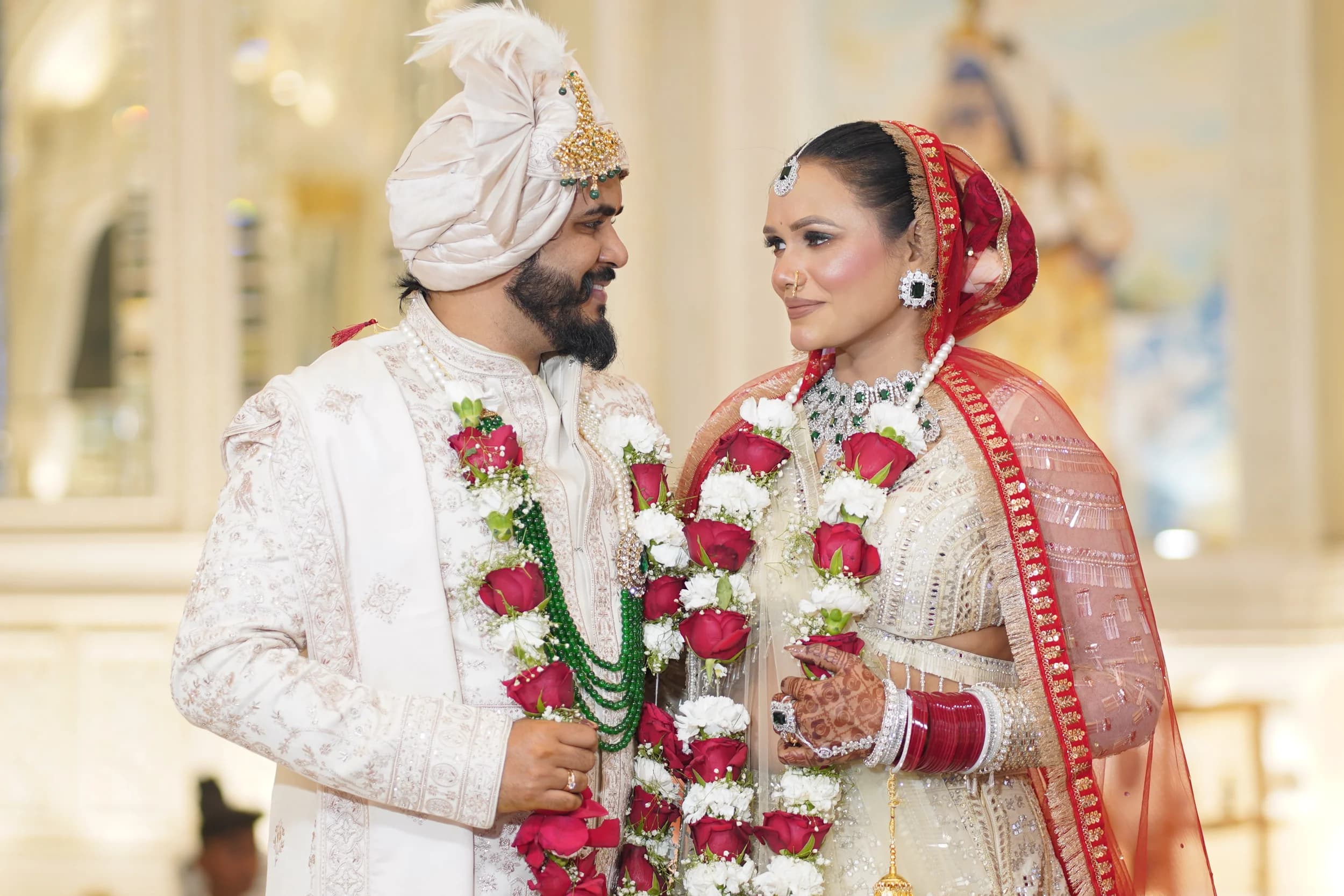
Setting the Stage: Wedding Banquet in Noida
Walking into a wedding banquet in Noida, the first thing that hits you is the blend of modern décor and traditional color palettes. The chandeliers glimmer over rows of round tables, while marigold garlands add a local touch. As a photographer who has documented over a thousand ceremonies, I always spend at least an hour before the guests arrive, mapping out the main focal points—altar, head table, and the dance floor. Knowing where the natural light pours in from the skylight helps me plan my gear placement. This early walkthrough saves frantic repositioning once the ceremony kicks off.
Couples usually schedule the banquet to start right after the ceremony, giving a tight window of two to three hours for dinner, speeches, and the first dance. I coordinate with the event planner to get a cue sheet, noting when the DJ will dim the lights for the cake cut. Having the exact time stamps lets me position myself for the golden moments without missing a single toast. I also advise the couple to keep a spare power outlet near the main stage, because I often switch between flash and ambient shots. A well‑timed plan means I can capture the transition from formal dining to lively celebration seamlessly.
Lighting Challenges and Creative Solutions
Most banquet halls in Noida rely on a mix of soft overhead LEDs and decorative pendant lights, which can create uneven color temperatures. To balance this, I bring a set of color‑corrected gels and a fast 24‑mm prime that can gather light without sacrificing depth. At SRG PRODUCTION - Wedding Photographer in Noida we always test the white balance on site, adjusting our cameras to the warm amber of the chandeliers while preserving the cool tones of the ice sculptures. When the DJ dims the room for the first dance, I switch to off‑camera strobes hidden behind columns, allowing the bride’s veil to glow. This blend of ambient and artificial light keeps the images looking natural yet dramatic.
Another trick is to use a bounce board on the side of the stage to reflect the ceiling’s soft glow onto the couple’s faces, reducing harsh shadows during speeches. I keep an extra battery pack handy because the hall’s power can flicker when large sound systems draw current. If the banquet includes a live band, I set my ISO between 800 and 1600, which is high enough to freeze motion but low enough to avoid grain. The key is to stay flexible—sometimes a sudden blackout forces you to rely entirely on flash, and that can produce stunning silhouettes if you position the light correctly. Always have a backup plan, and you’ll never be caught off guard.
Capturing the Rituals and Guest Interactions
The moment the couple cuts the cake, the entire room erupts into applause, and the flash of cameras becomes a backdrop to the sugary slice. I position myself near the edge of the cake table, using a 70‑200mm zoom to catch both the close‑up of the knife and the wide grin of grandparents in the background. During the traditional 'vidaai' ceremony, I switch to a longer lens to stay unobtrusive while still capturing the teary eyes of the bride’s family. These cultural touches add depth to the story and give the album a timeless feel. I make it a habit to ask the DJ for a brief pause, ensuring the microphone picks up the heartfelt words.
Guests at a Noida banquet love to mingle, and those candid moments often become the most treasured images. I roam the aisle between tables, snapping reactions when the bride’s brother pulls a surprise dance move. A quick 1/200 second shutter catches the sparkle of a lady’s bangles as she raises her glass. I also keep an eye on the kids—one tiny hand reaching for the dessert tray can turn into a priceless frame. By staying present yet invisible, I let the natural joy unfold, and the final collection feels like a living diary of the day.
Post‑Banquet Editing and Deliverables
After the lights are turned off, the real work begins in the editing suite. I import the RAW files into Lightroom, first applying a consistent white balance to match the warm tones of the venue’s décor. Even after the Wedding Banquet in Noida wraps up, the colors and ambiance guide my editing decisions. A selective dodge‑and‑burn on the bride’s veil brings out its delicate texture without making it look artificial. I also create a custom preset that adds a subtle vignette, drawing the viewer’s eye to the center of the frame. This process usually takes about 12 hours for a full banquet coverage, allowing me to maintain the high quality my clients expect.
The final package includes an online gallery, a USB drive with high‑resolution files, and a curated selection of 50 edited prints for the couple’s home. I aim to deliver the first sneak‑peek within 48 hours, because excitement is still fresh and couples love to share those moments on social media. The complete album arrives within two weeks, packaged in a leather‑bound book that reflects the elegance of the banquet itself. I also offer a short highlight reel set to the couple’s favorite song, which has become a popular add‑on for wedding parties in the NCR region.
Final Checklist for a Flawless Banquet Shoot
Before the big day, run through this quick checklist: confirm venue access hours, double‑check the power outlets, pack extra batteries and memory cards, rehearse key lighting setups, and share a cue sheet with the wedding planner. Bring a backup flash unit, a portable reflector, and a lens cleaning cloth—spilled tea can ruin a sensor in seconds. Finally, arrive with a smile, introduce yourself to the couple’s family, and remind your second shooter (if you have one) of the critical moments you’ll both cover. A little preparation turns a busy banquet into a smooth, picture‑perfect celebration.