Tips
Wedding Photography in Noida: Real Stories from the Field
A veteran photographer shares real‑world tips, challenges, and memorable moments that define Wedding Photography in Noida today.
Published 25 October 2026
The NCR Wedding Landscape: What Sets Noida Apart
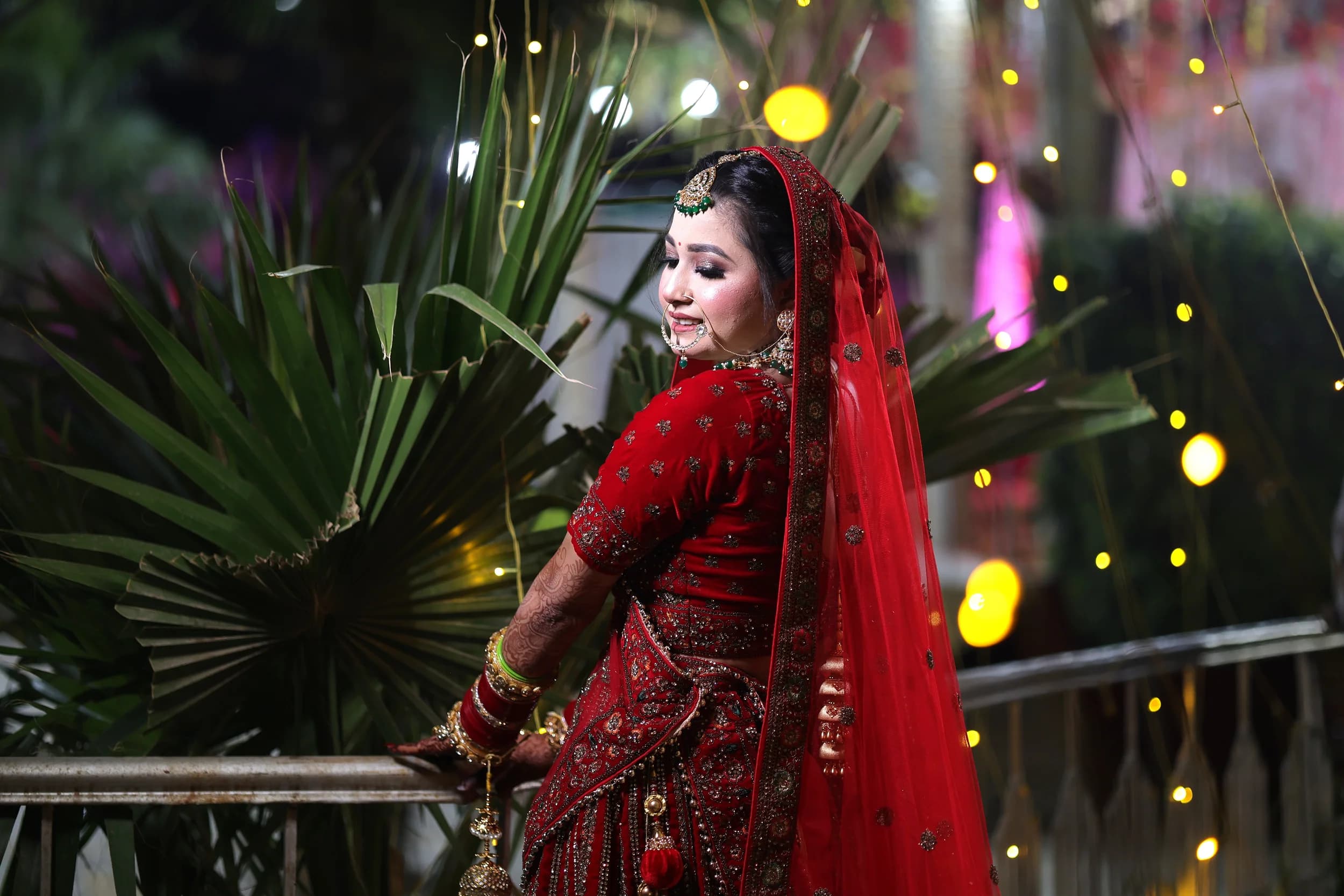
Wedding Photography in Noida feels different the moment you step onto a venue in Sector 18. The blend of modern glass‑front banquet halls and traditional mandap setups creates a visual contrast that tests a photographer’s eye. Over the past 12 years I’ve watched the city grow, and with each new high‑rise, the natural light shifts dramatically at golden hour. Couples here love to mix indoor glamour with an outdoor street‑style pre‑wedding shoot along the Noida‑Greater Noida Expressway. That mix forces us to think on our feet, swapping lenses and lighting kits in minutes.
A typical day starts early, because the best light in Noida arrives just after sunrise near the Yamuna banks. By 8 a.m. the bride’s family is already gathering for the haldi ceremony, and the vibrant yellows provide a perfect backdrop for candid moments. Around noon the sun can be unforgiving, so we rely on reflectors and off‑camera flashes to keep skin tones natural. The evening reception at a hotel in Sector 50 brings in chandeliers and a cooler hue, perfect for portraiture without harsh shadows. Each phase of the day teaches us to read the environment and adjust our settings on the fly.
Why Wedding Photography in Noida Demands Local Insight
Understanding traffic patterns in NCR is as crucial as mastering aperture. A ceremony in Greater Noida may start on time, but a sudden road closure on the Delhi‑Noida Expressway can shave off precious minutes for golden‑hour shots. Knowing the shortcuts lets us arrive at the mandap with batteries fully charged and lenses clean. Couples often ask for a quick pre‑wedding snap at the Noida Golf Course, and we’ve learned the best spots are near the 9th hole where the trees frame the sky beautifully. These local tricks turn a good photo day into an unforgettable one.
At SRG PRODUCTION - Wedding Photographer in Noida we always arrive with a backup kit, because power outages during monsoon season are common in the region. One wedding last September, the venue’s generator failed mid‑reception, and we switched to portable LED panels that kept the dance floor alive. The couple later told us that those unexpected lights gave the night a cinematic glow no studio could replicate. That experience reminded me why local knowledge and preparation go hand‑in‑hand with creative vision.
Gear and Light: Handling the NCR Climate
The climate in Delhi NCR swings from scorching summer to damp monsoon, and each season forces a different gear set. In 2026 summer, I rely on a weather‑sealed Canon EOS R5 paired with a 24‑70mm f/2.8 for versatility and a 70‑200mm f/2.8 for those distant candid moments. A polarizing filter becomes indispensable when the sun bounces off the marble flooring of a Noida banquet hall, reducing glare without losing color richness. During the monsoon, I switch to a faster 35mm f/1.4 lens to capture low‑light emotions without raising ISO too high, which preserves the grain‑free look couples love.
Lighting kits have also evolved; today’s portable battery‑powered LED panels offer adjustable color temperature, essential when the venue’s ambient lighting flickers. I carry a couple of softboxes to soften harsh shadows during the bride’s makeup session in a hotel suite. When the sky turns overcast, the diffused light actually helps us achieve balanced exposure with fewer flash bursts, making the images feel more natural. The key is to test each piece of equipment during the rehearsal so that on the big day nothing surprises us.
Moments That Matter: Candid and Classic Shots
Noida weddings are a mix of high‑energy dance numbers and quiet, tear‑filled exchanges. I always keep a second camera on a tripod for classic group portraits, while the primary hand‑held rig captures spontaneous laughter when the groom’s cousin jumps onto the stage. One memorable moment was when the bride’s little brother whispered a secret to her during the baraat; the raw emotion made it to the final album without any posed direction. These candid flashes are what families revisit years later, because they remember the feeling, not just the pose.
For the classic shots, I prefer a shallow depth of field to isolate the couple against the ornate backdrop of the mandap. Using a 85mm prime, I can render the intricate rangoli designs as soft bokeh while the bride’s dupatta stays crisp. The challenge is to balance the cultural richness of the décor with the intimacy of the couple’s gaze. When the night ends and the lights dim, a few well‑placed long exposures of the venue’s fairy lights create a dreamy finale that feels like a storybook ending.
Planning Your Photo Timeline
A well‑structured timeline is the backbone of successful Wedding Photography in Noida. I sit down with the couple during the pre‑wedding meeting and map out every ritual, allocating buffer time for travel between venues, especially if the ceremony and reception are in different sectors. The first hour after sunrise is reserved for bridal portraits in a garden setting, followed by the haldi and mehndi sessions where we switch to natural light. The main ceremony gets the bulk of the day, with a short break for lighting adjustments before the evening cocktail. Finally, we schedule a 30‑minute “golden hour” session on the venue’s terrace to capture the couple against the Delhi skyline as the sun sets.