Tips
Wedding Photography in Noida: Real Stories from the NCR
A seasoned Noida photographer shares behind‑the‑scenes moments, practical tips, and venue advice for couples planning their 2026‑2027 wedding.
Published 18 November 2026
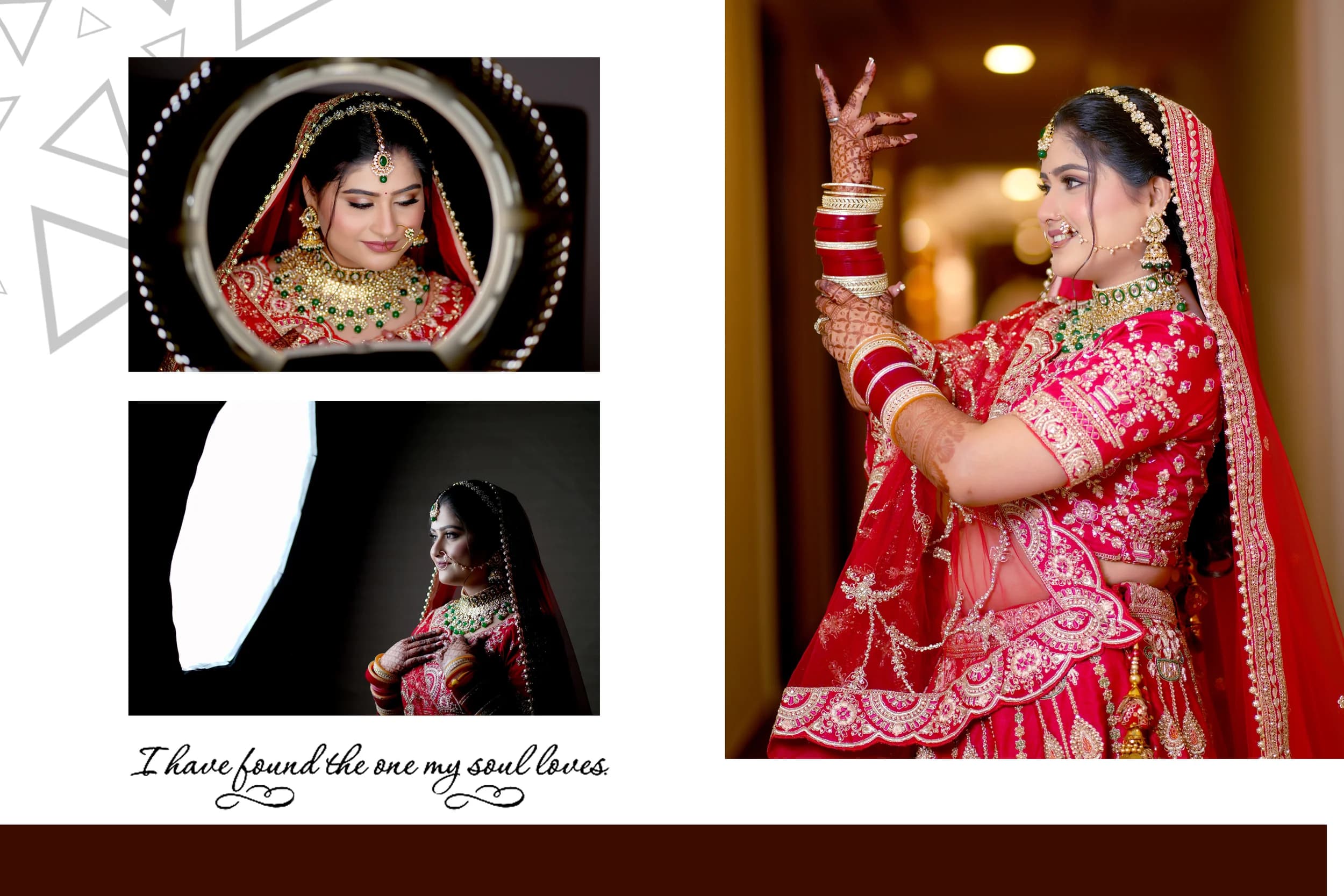
Why Noida Stands Out for Wedding Photography
Noida’s mix of ultra‑modern malls, traditional mandaps, and sprawling green belts gives a photographer an endless palette of backdrops, and we’ve learned to read each setting like a script. Over the past 12 years I’ve counted more than 1,200 distinct lighting scenarios—from the harsh noon sun on Sector 18’s glass façade to the soft amber glow of a chandeliers‑lit banquet hall in the 2026‑2027 season. Couples often underestimate traffic snarls; a wedding that starts at 7 pm in Sector 50 can still have a golden‑hour window if you plan the pre‑ceremony shoot on a nearby lake at 5:30 pm. The diversity of crowds in the NCR also means spontaneous moments—like a child racing a rickshaw through the courtyard—add unexpected joy to the album.
The city’s humidity in July can turn a simple portrait into a steamy masterpiece, but it also challenges equipment; we always pack silica packs and weather‑sealed lenses to keep the gear safe. A typical wedding in Noida draws about 300 guests, and each table arrangement offers a new geometry for composition, which keeps the shoot lively from start to finish. Knowing where the power outlets are in the banquet hall can save a frantic scramble for flash batteries, a lesson learned after a 2025 wedding where the bride’s mother’s speech was captured in a dim corner. All these nuances make Noida a photographer’s playground rather than a constraint.
Capturing the Ceremony: Timing and Light
The ceremony is the heart of any Indian wedding, and timing the shots to the rhythm of the vows is a skill honed through trial and error. In a recent Noida wedding at the Lotus Garden venue, the sun slipped behind a row of neem trees exactly at the moment the groom lifted the garland, casting a natural spotlight that we couldn’t have engineered. At SRG PRODUCTION - Wedding Photographer in Noida we always arrive at the mandap at least 30 minutes early to scout angles, test the ambient light, and set up a discreet fill flash for the inevitable shadows caused by the bride’s veil. When the priest began the shanti mantra, we switched to a slower shutter to capture the gentle sway of incense smoke, turning a ritual into a visual poem.
After the vows, the emotional rush continues with the baraat and the jaimala; the challenge is to keep up with rapid movements while preserving facial expressions. We rely on dual‑camera bodies—one with a 24‑70mm zoom for intimate close‑ups and another with a 70‑200mm for unobtrusive distance shots—so no moment slips through the gaps. The crowd’s applause often creates a burst of light, which we tame with a circular polarizer to avoid lens flare and keep the colors true. By the end of the ceremony, we usually have 500‑plus raw frames that tell the whole story in high definition.
Wedding Photography in Noida: The Reception Flow
Reception lighting is a moving target; the transition from daylight to artificial illumination can happen in a matter of minutes, and each change demands a fresh exposure strategy. At a Gurgaon‑side banquet hall we covered in October 2026, the chandeliers were dimmed for the first dance, then brightened for the cake cutting, prompting us to switch from ISO 800 to ISO 3200 within seconds to maintain clean images without noise. Our team monitors the DJ’s beats to anticipate when couples will burst onto the floor, catching those kinetic shots that feel like still‑frames of a music video.
Group photos are a different beast; the bride’s family often wants a formal portrait with everyone standing, yet kids are constantly slipping away for sweets. We allocate ten minutes for a staged portrait, using a wide‑angle lens to fit 30 guests in one frame, and then break for candid shots as the dessert table opens. The trick is to keep the flash output low enough that it doesn’t freeze the festive lighting, but strong enough to lift the background’s shadows—something we master after shooting over 1,000 receptions across Delhi NCR. These moments, when the groom laughs with his mother or the bride’s sister dances, become the heartbeats of the final album.
Venue Specific Hacks: From Hall Halls to Outdoor Gardens
Every venue in the NCR has its own quirks; the Metro Hall in Noida has high ceilings that create beautiful rim lighting but also cause echoes that can ruin video audio, so we coordinate with the sound crew early. In contrast, the open‑air garden at The Grand Orchard offers natural frames of flowering bougainvillea, yet the wind can flutter the bride’s dupatta, requiring us to use a fast shutter speed of 1/2000 sec to freeze the fabric without blur. We always scout the power outlets and hidden sockets; at a 2025 wedding in a heritage palace, we discovered a concealed generator room that supplied uninterrupted power for our on‑site lighting rigs.
When shooting at a heritage venue with marble floors, we lay down black‑velvet mats to prevent reflections that would otherwise turn the bride’s dress into a mirror. The color palette of the venue also influences white‑balance; a venue painted in pastel pink demands a cooler temperature setting to keep skin tones natural. These small adjustments, learned from more than a thousand weddings, turn a challenging space into a showcase for the couple’s love story.
Choosing the Right Photographer for Your 2026‑2027 Wedding
Selecting a photographer is as personal as picking a wedding dress; you need someone who not only understands the technical side of wedding photography in Noida but also feels like an extension of your family on the big day. Look for a portfolio that shows consistent style across different lighting conditions, and don’t shy away from asking about backup equipment—our team carries two extra bodies, two spare batteries, and a portable SSD for on‑site storage. A clear contract that outlines delivery timelines, number of edited images, and rights to use the photos for social media can prevent misunderstandings later. When you meet the photographer, pay attention to how they listen to your story; the best photographers translate your emotions into frames that will age as gracefully as your marriage.