Tips
Wedding Photography in Noida: Real Stories from the NCR
A veteran photographer shares real-world anecdotes and advice to help couples capture their Noida wedding perfectly.
Published 23 November 2026
Why Local Knowledge Matters
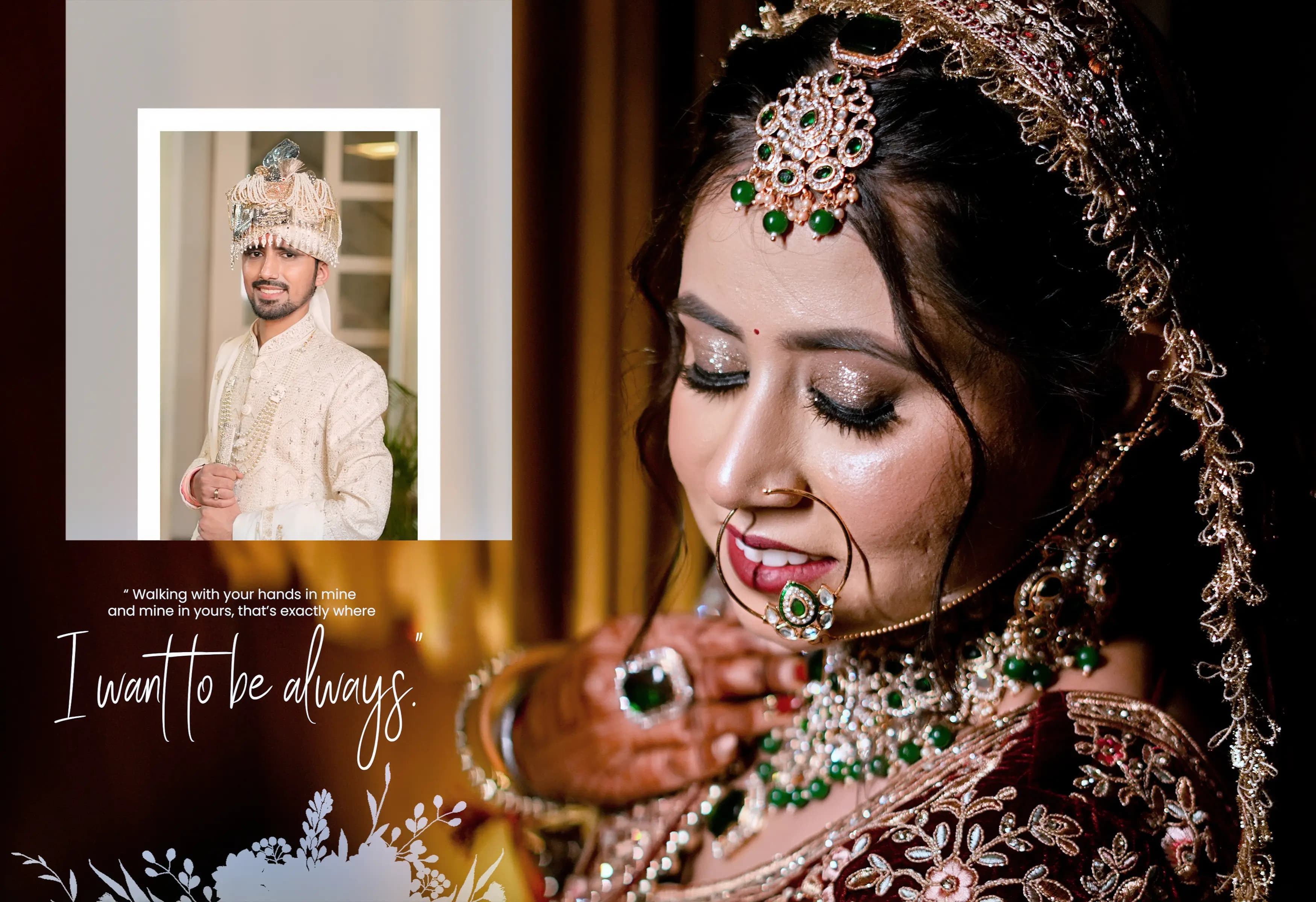
Wedding Photography in Noida is more than just pointing a camera; it demands an intimate grasp of the city’s traffic rhythms, monsoon humidity, and the way sunlight filters through the glass facades of Sector 18 malls. Over the past twelve years I have learned that a minute‑late arrival can mean missing the golden hour that paints the bride’s saree in amber. Couples often assume any photographer can adapt, but the nuances of Noida’s narrow lanes and bustling mandis test even seasoned shooters. I recall a ceremony at a heritage bungalow where the only power source was a single generator that flickered every few minutes. Knowing the exact moment the generator kicked back allowed me to lock in the most emotional exchange of vows.
The real challenge shows up when you have to navigate a crowded parking lot while the groom’s family is already setting up the mandap. I once coordinated with a venue manager to reserve a side street for my crew, turning a potential bottleneck into a smooth flow. This small logistical win let me position a telephoto lens on a balcony and capture the bride’s entrance without crowd interference. When the ceremony moved indoors, the low‑ceiling hall required me to swap to a wide‑angle lens to avoid cutting off guests’ heads. Those on‑the‑ground decisions are what separate a memorable album from a generic collection.
Capturing the Ceremony: Timing and Light
At SRG PRODUCTION - Wedding Photographer in Noida we always arrive at least an hour early to scout lighting, test Wi‑Fi connections for live‑streaming, and map out backup power options. The moment the priest lifts the fire pot, a burst of orange light hits the groom’s eyes, and I quickly shift to a 50mm prime to freeze that sparkle. I prefer to let natural light dominate, but when clouds roll in I add a soft diffuser to keep the bride’s veil luminous. A quick check of the venue’s chandelier positioning helped me avoid unwanted glare that could ruin the bride’s makeup. The ceremony’s rhythm dictates when to pull back for wide shots and when to move in for intimate close‑ups.
After the vows, the couple usually walks down the aisle for a quick portrait session. I time this segment to catch the sun just as it kisses the entrance arch, creating a halo effect around the couple. If the venue has a garden, I direct the couple toward a blooming bougainvillea, using its pink bursts as a natural frame. The key is to stay flexible; a sudden drizzle can turn the garden into a reflective canvas, offering unexpected artistic opportunities. By the end of the ceremony, I have a balanced mix of candid reactions and composed portraits ready for immediate review.
Wedding Photography in Noida: The Reception Rush
The reception hall in Noida often doubles as a banquet and a dance floor, so I split my gear between a fast‑shooting Sony a7IV for action and a vintage Leica for atmospheric details. The moment the DJ drops the first beat, I chase the groom’s laugh as he spins the bride under a cascade of LED lights. I keep one camera on a tripod aimed at the dessert table, capturing the glittering sweets that guests adore, while the second camera follows the bride’s first dance. A quick glance at the lighting console lets me tweak white balance on the fly, ensuring the gold embroidery on the bride’s lehenga stays true. These split‑second choices give the album a rhythm that mirrors the night’s energy.
Later, when the family gathers for the traditional baraat photo, I ask the bride’s brother to hold a lantern that glows against the night sky, creating a silhouette effect. The lantern’s flame dances, adding a warm flicker that contrasts with the cool neon backdrop of the venue. I also capture the little moments: a child sneaking a bite of jalebi, an elderly aunt wiping a tear, the groom’s nervous hand on the bride’s waist. Each detail, when stitched together, tells a story louder than any posed portrait could. By the time the last song fades, I have a treasure trove of images that reflect both grandeur and intimacy.
Post‑Processing on the Fly: Delivering Fast Turnaround
In the 2026‑2027 wedding season couples expect a preview within 48 hours, so my team runs a parallel workflow in Lightroom and Capture One. I assign one assistant to color‑grade the ceremony shots while another retouches the reception candids, ensuring consistency across the entire day. Using preset profiles that match Noida’s typical ambient tones saves hours without sacrificing uniqueness. A quick export to a secure cloud folder lets the couple view a slideshow on their phones while the party is still winding down. This rapid delivery builds trust and often leads to referrals for future events.
Even though the speed is essential, I never compromise on the final polish. Each portrait receives a detailed skin‑tone adjustment to counteract the harsh artificial lighting that many indoor venues use. I also add subtle grain to the black‑and‑white shots, echoing the classic feel of old Delhi street photography. The final gallery is organized by moments – ceremony, cocktail, dinner, dance – so the couple can relive the day chronologically. Feedback from couples in Noida consistently praises the blend of quick turnaround and cinematic quality.
Choosing the Right Photographer for Your 2026‑2027 Season
When you start hunting for a photographer, look beyond the portfolio and ask about on‑site problem solving, especially in a fast‑moving city like Noida. I recommend meeting the photographer at the actual venue at least once, so you can see how they handle lighting, crowd flow, and unexpected weather. Ask for references from recent weddings in Gurgaon or Faridabad; similar urban environments reveal how adaptable they truly are. Also, discuss the contract’s delivery timeline, backup equipment, and whether they provide a second shooter for larger venues. A photographer who can blend technical skill with a calm, decisive presence will make the difference between a stressful day and a joyful celebration.