Tips
Why a Wedding Photographer in Noida is Your Best Choice
From the chaotic morning rituals to the glittering night reception, learn how a seasoned Noida photographer captures every heartbeat of your big day.
Published 11 October 2026
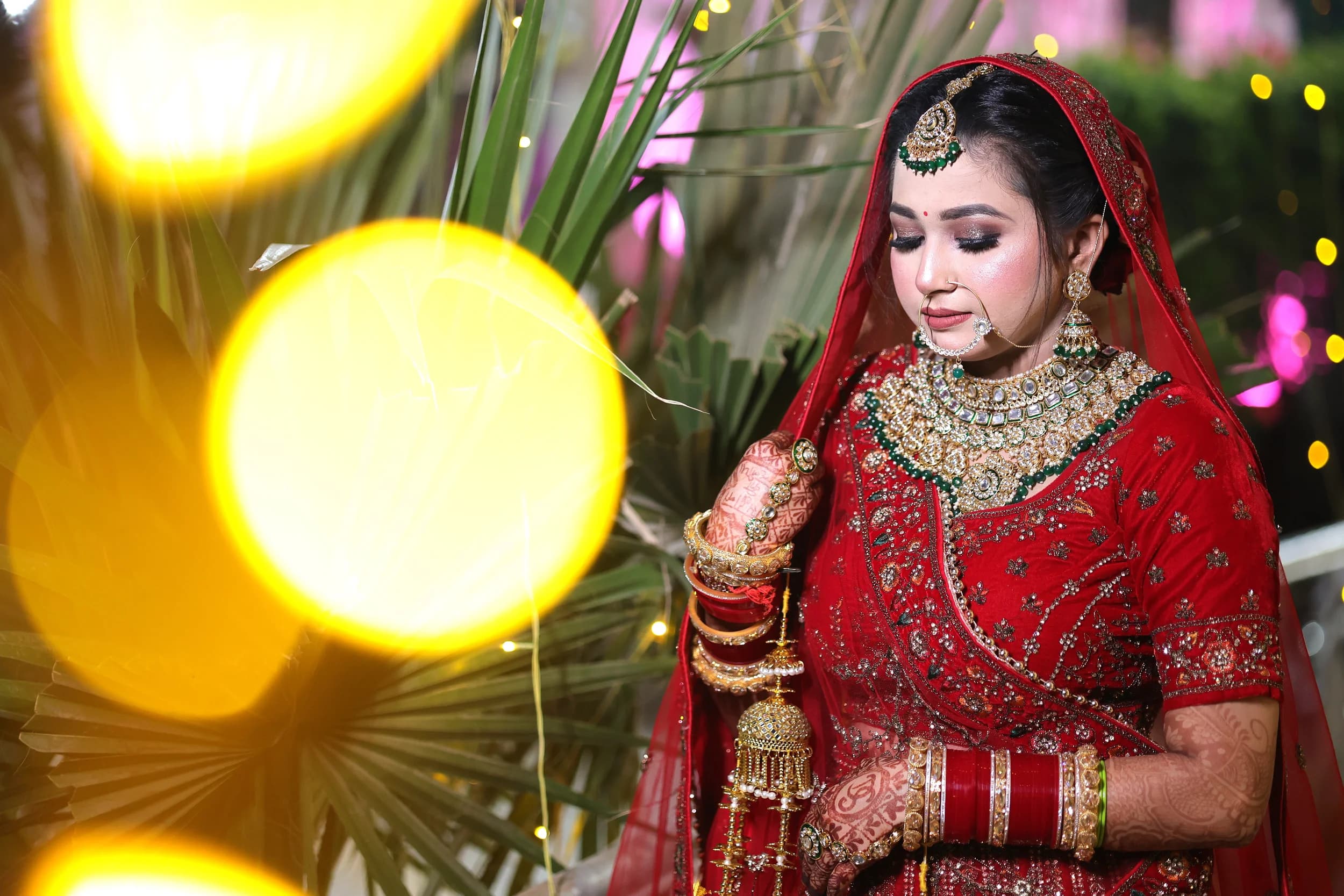
What Sets a Wedding Photographer in Noida Apart
When couples in Noida start planning their big day, the first name that pops up in their minds is often a Wedding Photographer in Noida who can turn fleeting emotions into lasting frames. Our city’s blend of modern high‑rises and historic mandaps creates a visual playground that demands a photographer who knows both the light of a sunrise ceremony at The Grand Terrace and the glow of a candle‑lit reception at a heritage haveli. After more than a decade behind the lens and over a thousand weddings captured across the NCR, I’ve learned that the real differentiator is not just equipment but the ability to read a crowd and anticipate the next smile. That instinct, honed on the streets of Delhi and the bustling lanes of Gurgaon, is what makes each album feel like a personal story rather than a generic collection.
The weather patterns here add another layer of complexity; a sudden drizzle in June can turn a planned outdoor shoot into a dramatic, rain‑kissed tableau, while the harsh noon sun of May forces us to seek shade and play with silhouettes. I remember a wedding in Greater Noida where the bride’s lehenga shimmered against a backdrop of towering cranes, and we used a portable reflector to bounce light and reveal every thread of embroidery. Clients appreciate when we explain why a short delay for better lighting can add minutes of golden hour magic to their portrait set. In the end, the photographer who respects the local rhythm earns the couple’s trust and delivers images that feel unmistakably Noida.
Understanding the NCR Wedding Rhythm
A typical wedding day in the NCR stretches from pre‑dawn preparations to a midnight dinner, and each phase requires a different photographic approach. At SRG PRODUCTION - Wedding Photographer in Noida we always arrive early to scout the venue, map out natural light patterns, and coordinate with the wedding planner for seamless transitions between rituals. The baraat in Gurgaon often rolls through traffic, so we position ourselves at the entry gate to capture the exuberant arrival of the groom’s entourage on polished motorcycles. Later, when the bride’s family gathers for the mehndi in a garden pavilion, we switch to a shallow‑depth‑of‑field style to highlight the intricate henna designs and the laughter of cousins.
Gear and Lighting Choices for Delhi NCR Venues
Our toolkit is a mix of full‑frame bodies, fast prime lenses, and a handful of speedlights that can be mounted on brackets for overhead coverage. For a royal banquet hall in Noida, the chandeliers can be as bright as a studio, so we dial down ISO to keep skin tones natural and rely on a 24‑70mm f/2.8 to move quickly between wide banquet shots and intimate table moments. Conversely, a rustic barn in Faridabad calls for high ISO performance; our 50mm f/1.4 captures the bride’s veil in soft focus while the background remains beautifully grain‑free. The key is to test each venue’s lighting before the event, because the same lens that works beautifully at a sunrise ceremony might struggle under the harsh fluorescent tubes of a hall.
Capturing the Moments That Matter
The first tear of the bride during the vidaai is a moment no couple wants to miss, and we position a second shooter near the exit to get a close‑up while the primary camera stays on the groom’s reaction. In one recent wedding at a lakeside venue in Delhi, a sudden gust lifted the groom’s dupatta, creating a dynamic silhouette that we captured in a 1/500 second burst, preserving every ripple of fabric. We also pay attention to the tiny details that families cherish: the embroidered cuff of the groom’s sherwani, the sparkle of a mother’s bangles, the handwritten vows on a card. By the end of the night, we hand over a curated collection of over 1,200 high‑resolution images that tell the day’s story from start to finish.
Planning Your Photo Timeline
A well‑structured timeline is the backbone of a smooth photography day; we ask couples to allocate at least 30 minutes for pre‑wedding portraits, 45 minutes for the ceremony, and another 60 minutes for the reception’s key moments. Buffer time is essential because traffic in Delhi can add unexpected delays, and a flexible schedule lets us capture spontaneous moments without rushing. We share a printable timeline with the couple, the planner, and the venue manager, ensuring everyone knows when we need a quiet corner, when we’ll be using flash, and when we’ll step back for candid crowd shots.